

In the constantly changing landscape of construction and land development, contour surveys are a crucial role that often goes ignored. These detailed evaluations map out the shapes, elevations, and features of the land, providing critical data that guides architects, engineers, and planners in their decision-making processes. Understanding what a contour survey entails and its significance can enable stakeholders to make educated choices that enhance development success and sustainability.
As city areas expand and environmental factors become critical, the importance of exact topographical surveys cannot be overstated. They serve not only to define the configuration of the land but also to detect potential obstacles and prospects. From residential developments to extensive commercial projects, knowing when and why to conduct these surveys is essential for ensuring compliance with regulations and improving design outcomes. In this article, we will examine the various facets of contour surveys, highlighting their important role in molding our constructed surroundings.
Grasping Topographic Surveys
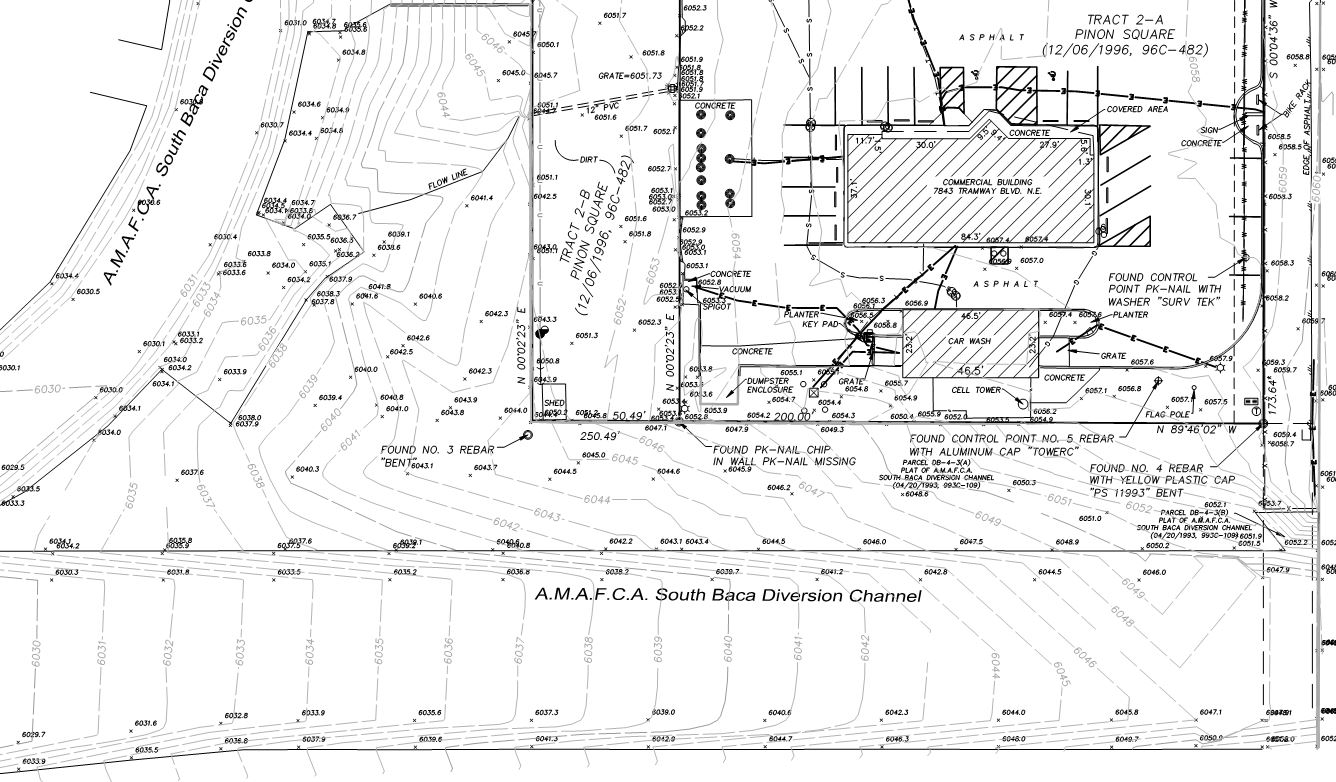
Topographical surveys are thorough illustrations of the natural and artificial features of a specific section of land. They capture various features, including altitude variations, slopes, trees, buildings, and bodies of of water. These assessments play a crucial role in engineering, architecture, and site development by providing critical data for decision-making. By showcasing the three-dimensional configuration of the land, terrain surveys help professionals visualize how a project will integrate with the environment.
The significance of topographical assessments cannot be ignored, as they recognize likely challenges that may influence construction and project execution. Topographical Surveys Woking Surrey as runoff patterns, ground types, and current structures are all considered in these surveys, making them crucial for successful development conclusions. Understanding the landscape and its features allows architects and planners to optimize strategies, guaranteeing compliance with regional codes and enhancing the complete protection of the construction.
Terrain maps are not just for major undertakings; they are equally valuable for smaller home builds. Residents contemplating new homes or additions can utilize topographical data to assess site constraints and understand how variations in topography may affect their property. By offering precise and comprehensive information, topographic surveys aid in rendering well-informed choices that improve the usable and aesthetic qualities of new spaces.
Value in Construction Projects
Terrain assessments play a critical role in development projects by providing key data about the site’s physical features. This insight includes shapes, elevations, and existing facilities, which are important for architects and engineers when executing their projects. Grasping the land's topography helps in determining the suitable placement of facilities, roads, and other developments, ensuring that construction matches with the natural landscape and minimizes possible environmental consequences.
Moreover, exact topographical surveys can considerably reduce project risks associated with unanticipated site factors. Building teams rely on this thorough insight to identify any site limitations, such as inclines, drainage issues, and vegetation that may need to be addressed before breaking ground. This foresight can avert costly delays and alterations during construction, ultimately leading to more efficient project execution and effective resource management.
Furthermore, topographical surveys are essential for adherence and permitting processes. Many regions require detailed surveys as part of their planning applications to assess the practicality of proposed developments. By adhering to statutory guidelines and parameters, developers can ensure that their projects are not only successful but also environmentally friendly, with a deep understanding of how the site interacts with local biomes and systems.
Contemporary Technology in Mapping
Advancements in technology have significantly transformed the landscape of geospatial surveys, boosting both efficiency and accuracy. The integration of Global Positioning System technology allows mappers to identify specific areas with exceptional precision, enabling faster data gathering in the field. This is particularly beneficial in extensive projects where traditional surveying methods might prove laborious and challenging. The use of space-based positioning systems means that surveyors can also navigate challenging terrains more efficiently, minimizing the risk for mistakes.
Unmanned Aerial Vehicles have become prominent as a powerful tool in topographical surveys, providing overhead images that captures detailed views of the terrain from different angles. Equipped with high-quality cameras and LiDAR sensors, UAVs can conduct assessments over wide areas in a fraction of the time compared to traditional methods. The information collected from drone assessments can be analyzed using sophisticated software, allowing mappers to create extremely accurate 3D models of the terrain. This ability not only simplifies the mapping procedure but also enhances representations for customers and stakeholders.
Laser scanning technology further boosts the accuracy of terrain surveys by gathering millions of data points in a single scan. This method provides a comprehensive depiction of the land, including fine variations in height that might be ignored by traditional surveying methods. The data can be utilized for a range of purposes, such as assessing potential flooding hazards or guiding drainage design. As surveying methods continue to progress, these modern technologies are crucial for delivering prompt and precise results, ultimately supporting effective planning and construction projects.