

Within today's fast-paced world, comfort and effectiveness in our houses are increasingly crucial than ever. Thanks to advancements in tech, HVAC systems have undergone a significant transformation, raising the level of inside living. No longer merely a means to regulate temperature, contemporary HVAC systems integrate intelligent technology to enhance air quality, maximize energy use, and provide a pleasant environment year-round.
Homeowners currently have the opportunity to utilize a wealth of knowledge and tools that aid in maintaining their HVAC systems. Starting with knowing when to service your unit to identifying the warning signs that your HVAC requires urgent care, awareness is essential. With features like smart thermostats and zoning systems, customizing your home's climate to your liking has never been easier or incredibly effective. This article will discuss how intelligent HVAC technologies are revolutionizing comfort and what you should understand to make informed decisions about your home's heating and cooling system.
HVAC System Maintenance Essentials
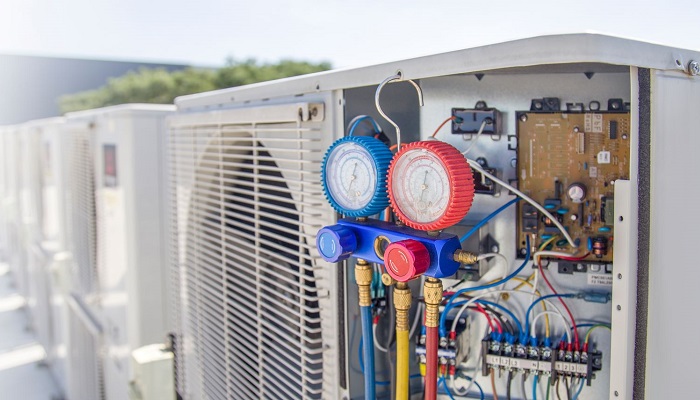
Regular care of your HVAC system is essential for guaranteeing best performance and extending its lifespan. Arranging routine service checks can assist recognize potential issues before they grow into costly repairs. It is generally recommended to service your HVAC system no less than twice a year, optimally before the peak seasons of heating and cooling. This proactive approach not only enhances system efficiency but also improves indoor air quality and well-being.
One of the key components of HVAC maintenance is replacing the air filters consistently. A clean air filter allows for better airflow, reducing strain on the system and improving overall efficiency. Homeowners should inspect their filters every month and change them at least every three months, or more often if they have pets or live in dusty areas. Neglecting filter maintenance can lead to diminished air quality and increased energy bills, making it essential to stay on top of this easy task.
Furthermore, keeping outdoor units clear of debris is vital for maintaining HVAC efficiency. Periodically inspect the area around the unit to ensure it is free from leaves, dirt, and additional obstructions. This allows for proper airflow and prevents overheating. By incorporating these essential maintenance practices, homeowners can ensure their HVAC systems run smoothly year-round, saving both energy and money while providing a comfortable atmosp here .
Advanced Heating, Ventilation, and Air Conditioning Technology and Efficiency
Innovative HVAC technologies are changing the way we approach in terms of heating and cooling our living spaces. With the deployment of high-tech sensors and intelligent software, these systems can track and modify their operations based on current circumstances. This means you can attain ideal comfort while minimizing power consumption. As a result, homeowners are experiencing considerable decreases in their heating cost and cooling expenses, making intelligent HVAC solutions not only a luxury but also a sensible option for eco-friendly users.
One of the the notable aspects of advanced HVAC systems is their capability to adapt from consumer behavior. Advanced thermostats, for instance, can smartly control temperatures based on when you are present or away, fine-tuning usage trends. This adaptability not only enhances performance but also increases the lifespan of HVAC units by reducing stress from constant adjustments. In furthermore, many advanced units provide users with detailed energy usage analytics, empowering homeowners to make informed decisions about their ease and energy cost.
In addition, intelligent HVAC systems boost the general indoor air environment by enabling for more effective air filtration and humidity regulation. With high-tech filtering options and humidity sensors, these systems can function to filter out allergens and pollutants, creating a healthier living area. By incorporating air quality monitoring into their schedule, residents can address issues as they arise, ensuring that their houses remain comfortable and secure for their loved ones. The development of HVAC systems through smart solutions not only transforms comfort but also lays the groundwork for green living.
Improving Interior Air Standards
Interior atmospheric standards is a crucial aspect of household well-being and health, strongly affected by your HVAC system. To enhance air quality, it is essential to routinely change air filters, as dirty filters can trap dust, pollen, and allergens while restricting airflow. Clean filters will not only help in sustaining a more efficient system but also ensure that fresh air flows throughout your house, reducing the presence of interior pollutants.
An additional successful strategy is to explore adding a whole-home air purification system into your heating, ventilation, and air conditioning setup. These systems can effectively remove aerial pollutants, including germs and viruses, providing a fresher interior environment. Additionally, utilizing ventilators can help exchange stagnant indoor air with outdoor air, diluting indoor contaminants and moisture, contributing to improved overall air quality.
In conclusion, proper humidity control plays a important role in interior air quality. A well-maintained HVAC system should control humidity levels to prevent fungus growth and improve comfort. Dehumidifiers can be beneficial in humid areas, while humidifiers can help in arid seasons. By managing humidity rates and maintaining consistent upkeep, homeowners can greatly improve the air quality in their houses.