

In recent years, unmanned aerial vehicle surveys have emerged as a game-changing resource in diverse fields, transforming how data collection and analysis occurs. With the potential to take high-resolution images and fine measurements from unique aerial perspectives, drones are changing long-established survey techniques. This breakthrough is more than productivity; it’s also about accuracy, protection, and financial efficiency, making drone surveys an invaluable asset for professionals in construction, agriculture, real estate, and beyond.
The use of UAV technology is vast, with benefits that reach to planning projects, environmental oversight, and infrastructure inspections. By replacing cumbersome and potentially hazardous traditional surveying techniques with sky surveys, organizations can streamline their processes while gaining valuable, usable data. As we delve deeper into the capabilities of aerial surveys, we will examine their many benefits, the underlying technology, and the potential they hold for transforming data collection practices.
Key Advantages of Drone Surveys
Aerial surveys offer unparalleled speed in data collection compared to traditional methods. With the ability to cover vast areas rapidly and obtain detailed imagery, drones greatly reduce the time needed for surveying projects. This quickness not only hastens project timelines but also allows for swift decision-making based on current information. As a result, stakeholders can advance with certainty, knowing they have accurate data in a fraction of the time it would normally take.
A further major benefit of drone surveys is the greater safety they provide, notably in hazardous environments. Drones can access hard-to-reach or dangerous areas avoiding putting personnel at risk. This capability is notably valuable in industries such as construction, mining, and infrastructure inspection, where conditions can pose grave threats to safety. By minimizing human exposure to potential dangers, drone surveys establish a more secure working environment while still delivering comprehensive data.
Cost savings are a critical advantage associated with the use of drone surveys. By simplifying https://postheaven.net/alleynotify78/mapping-the-future-cutting-edge-sky-based-surveying and reducing the need for large-scale manpower and equipment, projects can benefit from reduced operational costs. Additionally, the accurate nature of drone data minimizes the risk of financially damaging mistakes, further enhancing financial efficiency. With lowered labor costs and improved accuracy, drone surveys are an financially sound solution for a broad spectrum of applications.
Comparative Analysis: Unmanned Aerial Vehicle vs. Traditional Methods
Conventional surveying methods often involve lengthy ground work, utilizing tools like GPS equipment that require physical presence at multiple survey points. This approach is labor-intensive and can lead to potential safety risks, especially in hazardous environments. Surveyors must navigate challenging terrains, which can complicate access and increase project costs. In contrast, aerial surveys leverage aerial technology to quickly and efficiently capture high-resolution images and data from a high vantage point, significantly reducing the time needed for surveying tasks.
The accuracy of drone surveys has improved remarkably with developments in technology, utilizing photogrammetry and LiDAR to produce comprehensive topographical maps and models. Conventional surveys can also yield high accuracy but are limited by the physical limitations of equipment and the need for hands-on data collection. Aerial vehicles can cover vast areas in a fraction of the time, and with precise calibration, they can match or exceed the accuracy offered by conventional methods. This enhanced capability allows for improved project planning and hazard management.
Expense is another significant differentiator between drone and conventional surveying methods. While the upfront investment in drone technology and training may seem substantial, the operational savings from lowered labor, faster data collection, and fewer site visits can lead to substantial cost reductions in the long run. Traditional methods often incur ongoing costs associated with labor and equipment maintenance. Therefore, many industries are beginning to recognize drones as a viable alternative, streamlining their processes and improving overall efficiency.
Emerging Trends in Drone Surveying Tech
As UAV tech continues to advance, we can expect significant advancements in the precision, efficiency, and versatility of drone surveying. Enhanced sensor technology and imaging technology will allow for richer data gathering, enabling surveys to capture intricate features that were previously hard or impossible to measure. The combination of AI and machine learning techniques will streamline data processing, which will make it quicker to assess and understand the results while also increasing the accuracy of forecasting.
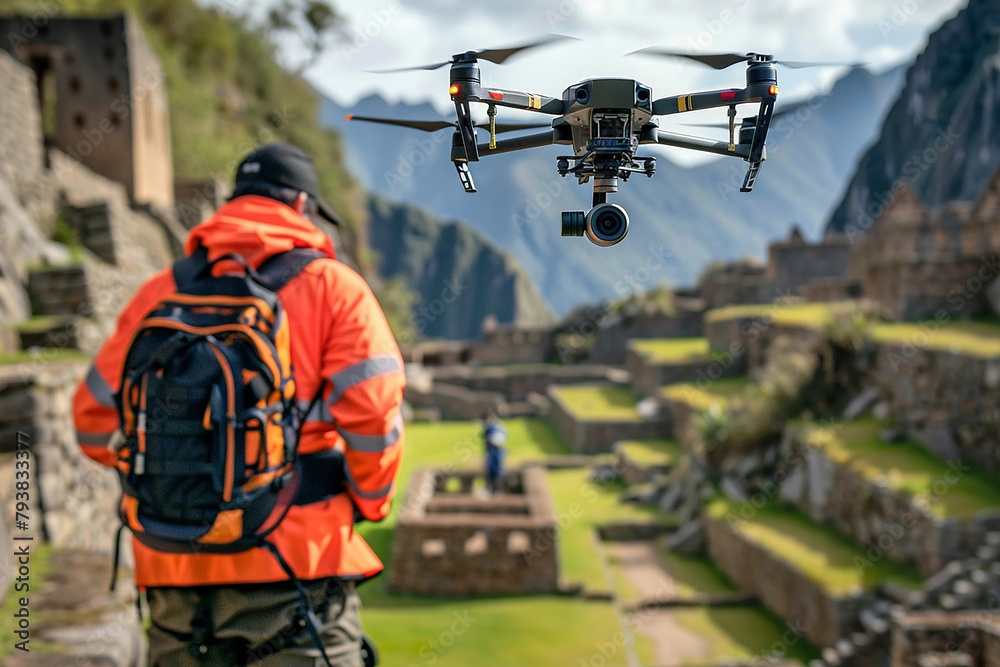
A disruptive development is the development of larger UAV fleets and swarming technology. This enables for concurrent gathering over expansive areas, drastically reducing the time required for large-scale surveys. These drone swarm technologies can work together with one another to cover challenging terrain effectively, making them invaluable for industries such as agriculture, ecological oversight, and infrastructure evaluations. This ability will not only save time but also provide more reliable data through redundancy and corroboration among multiple UAVs.
Finally, the evolution of rules and legal frameworks surrounding UAV usage will pave the way for broader use in surveys. As government bodies adjust to the evolving landscape, we can look forward to to see clearer guidelines that improve safety and promote creativity. This will lead to new applications of drone surveys in various fields such as emergency management, city planning, and infrastructure management, ultimately expanding the scope and effect of UAV surveying technology in the years to come.