

As you embarking on a construction project, whether it be constructing your desired home or updating an older space, the value of a main contractor should not be underestimated. These specialists serve as the foundation of the construction process, managing everything from first planning to ultimate execution. Understanding the role of a general contractor entails essential for homeowners hoping to navigate the intricacies of construction successfully.
In this comprehensive guide, we will examine the vital role that general contractors have, the differences between contractors and subcontractors, and the key qualities that constitute an outstanding contractor. We will also tackle the key questions to consider before hiring one, making sure you’re prepared with the insight to make wise choices. From managing budgets and timelines to safeguarding safety and compliance, general contractors are essential in turning dreams into reality, and figuring out how to pick the right one can significantly impact your project.
Grasping the Role of a Main Contractor
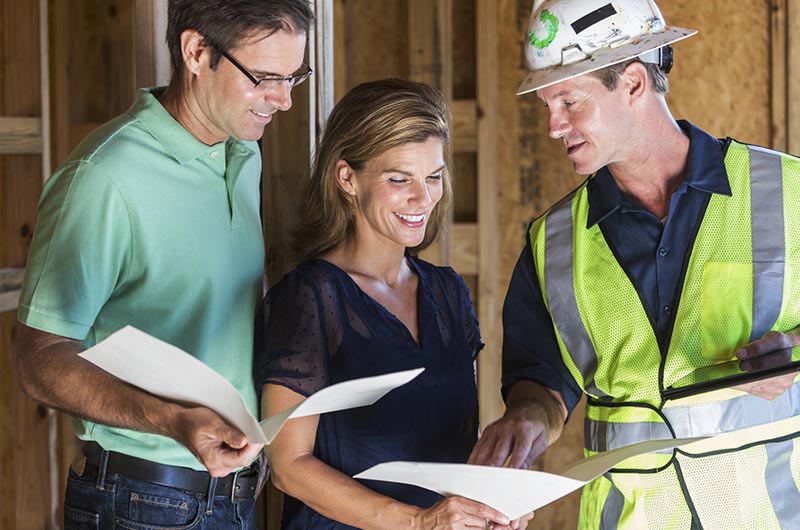
A general contractor serves as the primary point of contact for a building project, managing every element from inception to completion. Their duties consist of organizing between various subcontractors, overseeing timelines, and making sure that the project stays within financial limits. They are pivotal in interacting with clients to grasp their vision and translating it into actionable plans that can be executed on the job site.
Besides overseeing the logistics, general contractors are also responsible for securing necessary permits and adhering to local building codes and standards. This knowledge is essential in preventing legal issues and making certain that the building process operates smoothly. Their skill allows them to deal with the intricacies of construction projects, helping create a safe and compliant environment for both employees and homeowners.
Additionally, a skilled general contractor works closely with architects and engineers, ensuring that design plans are practical and that materials are procured effectively. This collaboration enhances the general quality of the project, as general contractors apply their practical experience to spot potential challenges before they arise. As https://graph.org/Tackling-Building-Tips-from-a-Experienced-Builder-09-16 , they play a key role in maintaining the stability and quality of the building process, finally delivering a finished product that meets or surpasses the expectations of their clients.
Hiring a Main Builder: Key Considerations
When thinking about the employment of a main contract specialist, it is essential to evaluate their background and knowledge in managing comparable projects. Seek out someone who has a demonstrated track record in your type of construction or refurbishment, whether domestic or commercial. Seek referrals and examine their previous work to make sure they meet your standards. A well-informed contractor will not only have the specialized skills but will also be familiar with local construction regulations and standards, which is key for a smooth project.
Dialogue is another vital aspect to think about when engaging a overall contractor. Creating a distinct line of contact from the outset can conserve hours and prevent issues later on. During initial meetings, assess their willingness to understand your ideas and thoughts. A top-notch contractor will make you informed throughout the project and be attentive to your questions, ensuring that both involved are in agreement on the project's goals and deadlines.
Lastly, evaluate the budgetary elements of hiring a general contractor. Ask for detailed estimates and clarify their payment structure before proceeding. Be cautious of estimates that look suspiciously low, as they may suggest a poor service or hidden costs. A dependable contractor will provide a transparent itemization of costs, including work, resources, and surprises. This clarity will enable you budget effectively and avoid potential financial pitfalls down the line.
The Future of Normal Contracting
The future of traditional contracting is poised for significant evolution shaped by progress in technology and shifting industry demands. Construction Modeling, for illustration, is changing how projects are designed and carried out, permitting contractors to see projects in a 3D setting before breaking ground. This transformation not just enhances collaboration between stakeholders but also cuts down on errors and rework, ultimately producing a more efficient construction process. As such technologies become more accessible, general contractors will need to evolve to keep successful and satisfy the expectations of clients who are increasingly proficient with technology.
Sustainability is yet another key concern shaping the prospect of normal contracting. With a increasing focus on green building practices, general contractors will play a critical role in adopting sustainable materials and energy-efficient designs. roofing irving tx are becoming more mindful of their ecological footprint and are seeking contractors who focus on green building practices. This trend will compel contractors to improve their knowledge of sustainable solutions, making certain that they can deliver projects that conform to contemporary ecological values.
In conclusion, the industry will see a higher emphasis on staff development and training as the need for skilled labor continues to grow. General contractors will need to commit to their teams to ensure they are equipped with the newest skills and knowledge in construction techniques and technologies. This emphasis on training will not only boost project outcomes but will also assist to draw in a new generation of workers to the construction field, encouraging innovation and efficiency in the industry as it progresses.