

Within the dynamic field of construction, hydro excavation is rapidly gaining recognition as a significant advancement, especially when it concerns its ecological advantages. Traditional digging methods frequently lead to soil displacement, high levels of noise, and a myriad of other ecological concerns. In opposition, vacuum excavation is distinguished as a cleaner, more effective approach, reducing the disruption to the surrounding environment while maintaining that underground utilities are kept safe.
The process utilizes a powerful vacuum system to vacuum up soil and debris, effectively allowing for non-destructive digging that conserves the integrity of the site. This technique not only improves the safety and efficiency of construction projects but also significantly reduces the carbon footprint connected with conventional excavation practices. As we investigate the numerous methods vacuum excavation changes modern construction, it becomes evident that this innovative technique is not just about getting the job done; it is about executing tasks with a deeper respect for our planet and its ecosystem.
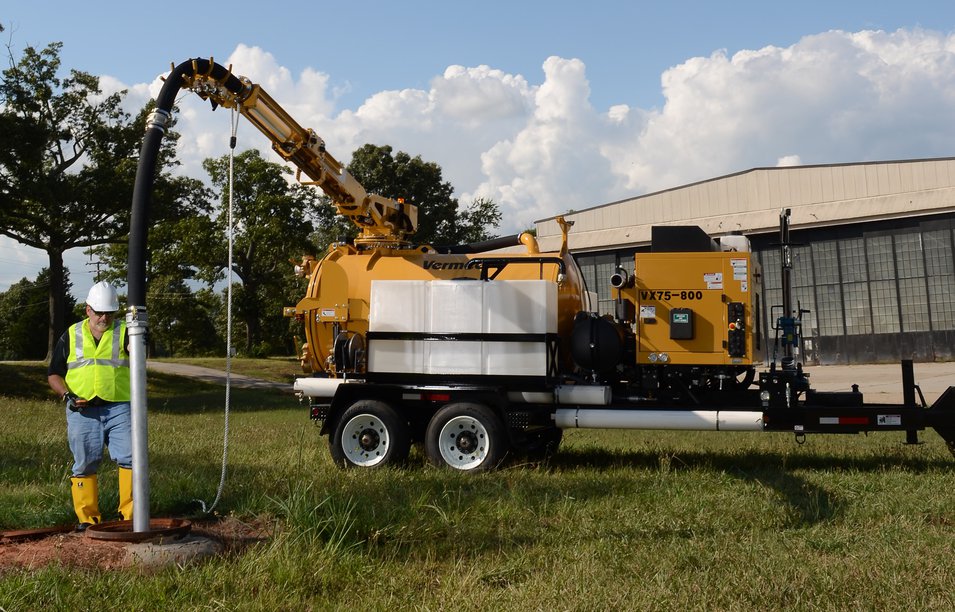
Understanding Vacuum Excavation
Suction excavation is a novel method of digging that employs high-powered vacuums to safely and rapidly remove soil from below the surface. This technique has seen popularity in the past few years due to its gentle nature, which permits for accurate excavation without the threat of damaging underground utilities or infrastructure. By employing air or water jets to break up the soil, vacuum excavation minimizes the impact on the surrounding environment.
The process begins with the operator pointing a high-pressure hose to the designated area, which moves the soil. The loosened earth is then immediately suctioned away by the vacuum system and stored in a debris tank. This method not only boosts safety on construction sites but also accelerates the excavation process compared to traditional digging methods that depend on mechanical tools and manual labor.
One of the main benefits of vacuum excavation is its ability to preserve existing underground utilities, such as hydraulic, gas, and electric lines. By precisely locating and uncovering these utilities before construction starts, vacuum excavation helps prevent costly damages and service disruptions. This technology is especially advantageous in metropolitan settings, where buried infrastructure is often thick and complex, making conventional digging methods more hazardous and disruptive.
Benefits of Suction Excavation
Suction excavation offers various environmental pros that significantly improve construction practices. One of the key benefits is its ability to limit soil disturbance. Unlike traditional digging practices, which can lead to substantial excavation and mess, suction excavation uses a extraction system to gather only the essential amount of soil. This minimal disturbance approach protects the surrounding ecosystem, minimizing the impact on plant life and wildlife, and conserving the natural landscape.
Another important benefit is the minimization of spoil and debris. Vacuum excavation efficiently collects the excavated material, allowing for cleaner job sites and less waste. This not only mitigates the environmental footprint of construction activities but also eliminates the need for extensive cleanup efforts afterward. With fewer debris left behind, surrounding areas remain intact, fostering a more sustainable approach to digging.
Additionally, suction excavation significantly improves the safety and integrity of underground utilities. By precisely locating and exposing utilities without endangering damage, it reduces the chance of costly disruptions and hazardous situations. This protection of existing infrastructure is essential in urban environments where underground utilities are congested and intricate, thus ensuring more secure and more efficient construction projects.
Uses and Prospects of Vacuum Excavation
Vacuum excavation is increasingly becoming the favored method for a range of applications in the construction industry, maintenance of infrastructure, and development in urban areas. Its flexibility makes it appropriate for installing utilities, potholing, and even projects related to landscaping. For example, when installing pipeline systems or telecommunications infrastructure, vacuum excavation minimizes harm to existing utility lines, ensuring a more dependable and efficient process. This method is also well-suited for tasks in confined spaces or cities, where conventional excavation techniques could cause significant interruptions and safety hazards.
In the future, the outlook of vacuum excavation is bright, especially with advancements in tech. Innovations such as improved vacuum systems and enhanced integration of GPS technology allow for even greater precision and effectiveness on job sites. Additionally, the increasing focus on sustainable construction practices means that vacuum excavation will likely see wider adoption as more contractors become aware of its environmental benefits, such as minimized soil disruption and minimal waste generation. As regulations and public awareness around environmental impact increase, vacuum excavation offers a proactive solution for meeting these needs.
Furthermore, as industries persist to adjust to obstacles such as urbanization and aging infrastructure, vacuum excavation will serve a crucial role in enabling safe and effective project planning. Additional resources across various fields are beginning to investigate how vacuum excavation can enhance existing methods and reduce project downtime. Through continuous education and collaboration, the security and effectiveness brought by this method will not only change construction practices but also contribute positively to care for the environment for future generations.