

Within the bustling realm of construction, scaffolding is the unrecognized champion that often goes overlooked. No matter if you are watching a high-rise rising or a charming home being remodeled, the importance of quality scaffold cannot be overstated. It serves as the backbone for workers, allowing them to work at heights securely while offering the essential assistance for various building tasks. As the foundation for effective projects, understanding the role of scaffold contractors is essential for everyone involved in the construction sector, from builders to property owners.
In this piece, we will explore the complex realm of scaffolding contractors, shedding light on what they do and the reasons their expertise is vital. We'll look into the various types of scaffold, the importance of safety, and the ways expert scaffold contractors can keep construction projects progressing smoothly. Regardless if you are a experienced professional or a newcomer to construction, knowing the benefits of hiring certified scaffolding contractors can elevate your project and boost site safety, ultimately leading to prosperity in both home and business endeavors.
Grasping Scaffolding Contractors
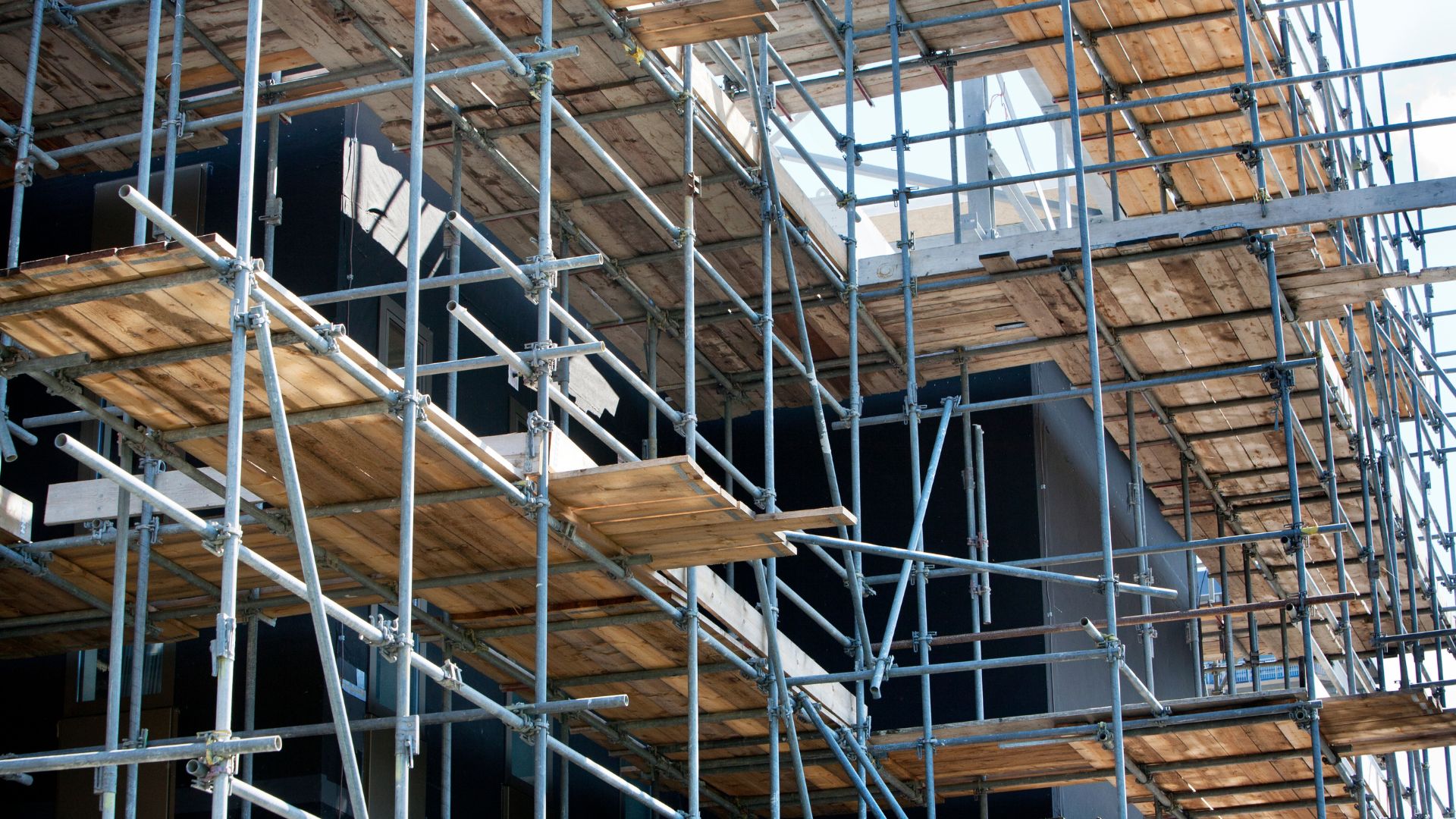
Scaffold contractors are specialized contractors tasked with the installation, upkeep, and removal of scaffold systems at development sites. These experts understand the details of various types of scaffolding and their uses, ensuring that the structures they build offer the essential assistance and entry for workers. They have extensive knowledge of safety standards, materials, and design principles, making them vital to the effective execution of building projects.
One of the primary roles of scaffolding contractors is to guarantee the safety at construction sites. They are tasked with conducting thorough assessments before putting up scaffolding, taking into account factors such as weight limits, stability, and environmental conditions. By adhering to rigorous safety guidelines and conducting periodic inspections, these contractors help minimize the chance of accidents and harm. This commitment to safety not only safeguards the workers but also enhances overall construction efficiency.
Additionally, scaffolding contractors play a significant role in managing projects. They collaborate intimately with builders, engineers, and project managers to create scaffolding plans that align with project schedules and logistics the construction. Their expertise allows for a more streamlined construction process, as they can swiftly adjust to changing project requirements and ensure that scaffolding structures are available when required. By keeping Find more info on schedule, scaffolding professionals contribute substantially to the success of the building endeavor.
Safety and Adherence in Scaffolding
Safety is paramount in the scaffolding industry, as it immediately impacts the health of workers and the success of construction projects. Scaffolding contractors follow strict security regulations and guidelines that are required by local and national laws. Such regulations include appropriate design, assembly, and maintenance protocols that ensure any scaffold system used is sufficiently robust to support the loads it will encounter. Compliance with these safety requirements not only safeguards workers but also minimizes liability concerns for construction businesses.
Regular inspections and assessments are crucial components of safety compliance. Scaffolding contractors are trained to conduct comprehensive inspections before any work begins, ensuring that the scaffolding is physically sound and devoid of defects. They also implement ongoing oversight throughout the duration of a project, addressing any problems that arise promptly. These proactive measures are critical to prevent accidents and maintain a safe working environment, showing the contractor's role in enhancing safety on-site.
Additionally, working at heights introduces unique hazards that require specific expertise and training. Scaffolding contractors are prepared to ensure that all safety equipment, such as guardrails and harnesses, is in place and properly utilized. They also educate workers on safety procedures and emergency plans, cultivating a culture of safety awareness on construction sites. By prioritizing safety and compliance, scaffolding contractors not only protect their workforce but significantly contribute to the overall success of construction projects.
Selecting the Appropriate Scaffold Solution
Choosing the correct scaffold solution is vital for the effectiveness of any construction project. Different projects have varying demands, and factors such as the height of the structure, the type of work being done, and environmental factors are critical in this process. For instance, residential projects may need lightweight options like traditional scaffolding, while larger commercial projects often benefit from more durable systems such as prefabricated or system scaffolding that can hold greater loads and intricate setups.
Additionally, collaborating with expert scaffolding contractors can help you navigate the varied options at hand. They bring extensive expertise in comprehending which scaffolding kind best fits the project requirements. Their expertise ensures that the selected system adheres to safety standards and industry standards, thus minimizing risks involved in construction work at elevated levels. This collaborative method not only improves efficiency but also fosters a more secure workspace for everyone participating.
Lastly, considering future requirements is also important when choosing a scaffolding system. Temporary scaffolding is ideal for ongoing projects, allowing for flexibility and rapid adjustments, while fixed structures may be essential for long-term installations. Collaborating with certified scaffolding contractors who understand the specific needs of your project can greatly influence its overall effectiveness, cost-effectiveness, and compliance with safety regulations.