

When it comes to maintaining a cozy home setting, understanding your HVAC system is vital. HVAC, an acronym for heating, ventilation, and air conditioning, has a critical role in regulating the temperature and air quality of your home. Owning a home implies you want to confirm that your HVAC system functions effectively, providing reliable heating in winter and effective cooling in summer. This guide aims to equip beginners with the information needed to make educated decisions about their HVAC systems.
You may be curious about how often to service your system, want to discover the signs that indicate it needs prompt attention, or are exploring energy-efficient options, this comprehensive guide covers everything you ought to know. With insights into the newest technologies and tips for improving indoor air quality, you'll gain a strong understanding of how to keep your HVAC system running smoothly year-round. Together, we will delve into the basics and beyond to make your indoor environment more enjoyable and efficient.
Essential Heating, Ventilation, and Air Conditioning Care Tips
Ensuring your HVAC system in ideal condition necessitates regular maintenance. One of the most important actions is changing air filters every 1 to 3 months, according to usage and the type of filter you use. Clogged filters restrict airflow, leading to your system to work harder, which can cause higher energy bills and potential damage. Regular air filter changes not only enhance efficiency but also enhance indoor air quality.
Another important maintenance tip is to schedule annual professional inspections. A trained technician can identify potential issues before they become critical problems. During these inspections, the technician will clean components, check refrigerant levels, and ensure that all parts are functioning adequately. This can extend the lifespan of your system and help you avoid costly repairs down the line.
In addition, homeowners should ensure the outdoor unit clear of debris such as leaves, dirt, and grass. This makes sure of proper airflow around the condenser unit. Regularly maintaining https://goheronow.com/why-regular-hvac-maintenance-is-essential-for-your-home/ surrounding your HVAC system helps preserve its efficiency. Maintaining your HVAC system through these easy maintenance practices can cut you money and ensure comfort in your home throughout the year.
Fixing Typical Problems
When your HVAC system is not operating correctly, it's crucial to detect the issue quickly to avoid further damage. One of the most common problems is inadequate warmth or cooling. If you realize that your home is not obtaining the set temperature, the first step is to inspect your thermostat settings. Ensure that it is set to the appropriate level and that the system is actually operational. If it is, check the filter system, as contaminated filters can block airflow and seriously impact system performance.
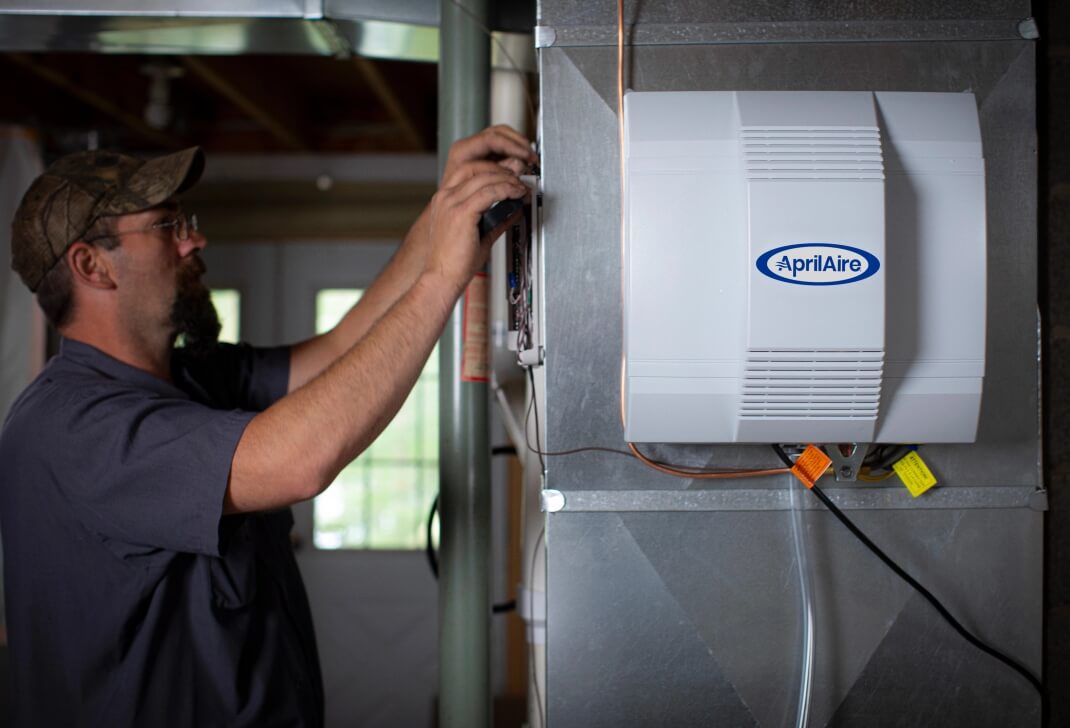
Another typical issue is unusual noises emanating from the equipment. These noises can signify different problems according to their characteristics. A rattling noise could indicate unsecured components or obstructions in the blower, while a screeching squeal may indicate a problem with the blowing mechanism. It's important to tackle these sounds promptly, as they can cause more major issues if left ignored. Turn off your equipment and seek advice from a professional if you're uncertain about the cause of the noise.
Finally, if you encounter repeated cycling on and off, it might indicate that your climate control system is not appropriately sized for your area or there's an issue with the thermostat. Short cycling can cause increased wear and tear, reducing the life expectancy of your system. Make sure that your temperature control is accurately adjusted and not near heat elements. If the problem persists, it may be the right moment to contact a professional to check the system and determine if a more appropriate size would be more appropriate for your living space.
Forming Knowledgeable HVAC/R Selections
In terms of picking the right HVAC system for your house, there are a number of factors to ensure best performance and efficiency. First, it's essential to evaluate the dimensions of your house. An HVAC system that is not large enough will face challenges to maintain pleasant temperatures, while one that is too large will operate intermittently too often, resulting in inefficiency. Engaging with a professional can help identify the suitable system size based on your home’s square footage, layout, and insulation quality.
Energy efficiency is a further critical component in making an informed choice. Grasping SEER ratings can assist you in evaluating various units. Higher SEER ratings show more energy-efficient systems, which can lead to lower utility bills and a lowered environmental impact. Additionally, take into account the upfront costs against long-term savings when assessing energy-efficient HVAC systems, as the investment may be worthwhile in the long run.
Finally, pay heed to the features that can enhance your home's comfort and convenience. Features like programmable and smart thermostats can help improve energy use and allow for more effective control over your indoor climate. Consider also whether a ductless HVAC system could be suitable for your needs, especially if you have specific zones in your home that require specific climate control. By weighing these factors thoroughly, you can make informed decisions that will ensure your HVAC system meets your needs efficiently and effectively.