

In the realm of long-haul trucking, selecting the best tires can make all the difference. Trucking tires are not just vital for maintaining stability and handling on the road; they also play a pivotal role in fuel efficiency, safety, and overall operational costs. Whether you're an independent operator or a fleet manager, understanding the intricacies of semi-truck tires can assist you sort through the vast options available, making informed choices that boost your performance on the road.
Ranging from understanding when to replace your tires to grasping the differences between steer and drive tires, this article will provide important insights and practical advice for everyone involved in the trucking industry. Here, we will investigate the most trusted brands trusted by truckers, the significance of adequate tire maintenance, and how to select tires based on the nature of your cargo and travel routes. Accompany us as we explore the world of semi-truck tires, armed with tips and tricks to maximize your tire life and efficiency.
Identifying the Appropriate Tires for Your Semi-Truck
Choosing the right tires for your semi-truck is vital for maximizing efficiency and safety on the path. Aspects such as the category of freight being hauled, the distance of transport, and the surface conditions must be taken into account. For instance, if you regularly travel on highways with average loads, all-season tires may be sufficient. However, if your paths include difficult terrains or involve significant loads, investing in custom tires designed for grip and longevity is essential.
Additionally, tire specifications such as load ratings and tread patterns can significantly impact your choice. Tires with greater load ratings are necessary for heavier freight, while particular tread designs can improve grip and fuel efficiency. Knowing these specifications will assist you make wise choices that conform to both your operational needs and financial considerations.
Lastly, don’t neglect the importance of consulting tire professionals or manufacturers when making your selection. They can offer important insights and recommendations tailored to your unique situation. By investing time in selecting the right tires, you’ll not only improve the safety and efficiency of your semi-truck but also increase the durability of your tires.
Caring for Large Truck Tires to Achieve Extended Life
In order to guarantee the longevity of semi-truck tires, routine maintenance is vital. This begins with scheduled inspections for any evidence of damage or wear. Drivers should look for fractures, cuts, or blisters on the sidewalls and tread. In addition, tracking tread depth is key as it can influence traction and handling. Any detectable uneven wear patterns should be dealt with immediately to avoid further issues and ensure safety on the road.
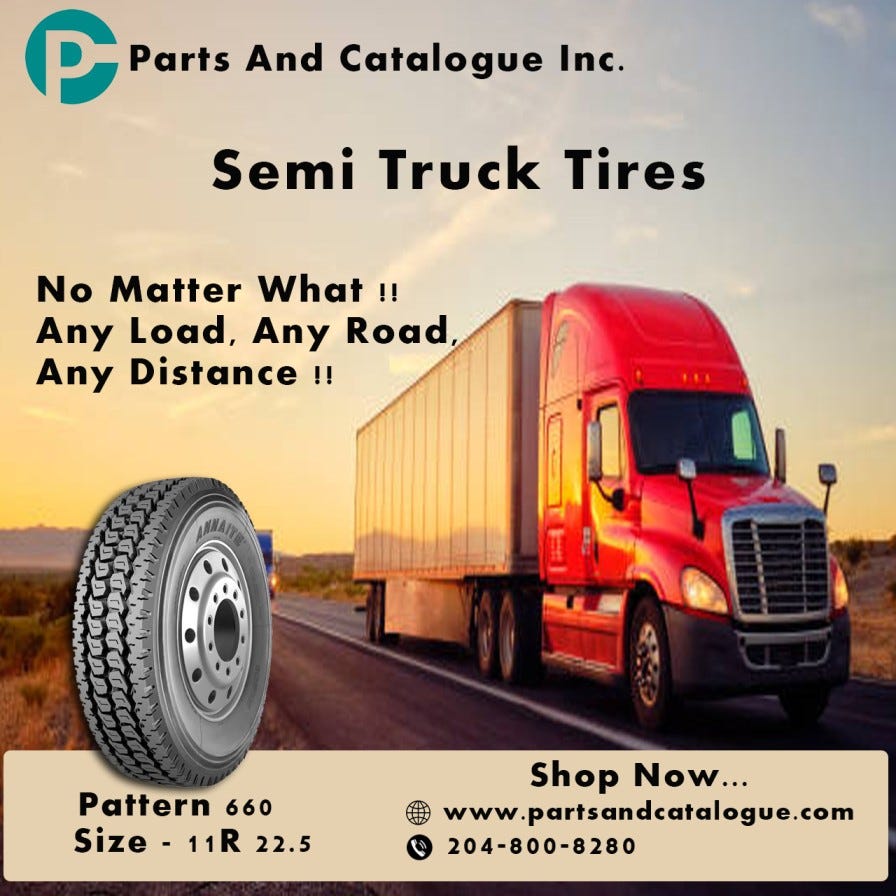
Adequate tire inflation is another key component in maintaining tire longevity. Under-inflated tires can lead to excessive wear and reduced fuel efficiency, while over-inflation can cause the tread to wear more quickly in the center. Drivers should get used themselves with the suggested tire pressures for their particular semi-trucks and consistently check tire pressure, notably before long hauls. Using a reliable tire pressure monitoring system can help keep track of inflation levels.
In conclusion, routine rotation of the tires can further extend their life. Rotating tires helps to ensure even wear, as distinct positions on a semi-truck can experience different amounts of weight and friction. In most instances, it is recommended that tires be rotated every six to eight weeks or as directed by the producer. Alongside rotation, planning alignment checks can prevent excessive wear and ensure that the truck remains safe and functional on the roads.
Grasping Tire Regulations and Security
Tyre regulations for large trucks are governed by strict federal and state guidelines designed to ensuring safety on the roads. The Department of Transportation sets criteria for tire performance, comprising specifications for tread depth, load capacity, and tire pressure. Trucking companies and drivers must be compliant with these rules to avoid fines and enhance safety. Frequent inspections and knowledge of these regulations are vital for maintaining lawful and operational standards in vehicle management.
One key element of tyre safety is the appropriate maintenance and supervision of tyre states. DOT regulations mandate that heavy-duty trucks have a baseline tread thickness, typically requiring at least 2/32 of an inch to ensure sufficient grip. Additionally, drivers should keep an eye out for signs of deterioration, such as cracks, bumps, or irregular wear. Following to these guidelines not only satisfies legal requirements but also significantly lowers the risk of tire blowouts, potentially causing severe collisions.
Additionally, grasping load limits and inflation pressures is crucial for the safety and performance of heavy-duty trucks. Check out the post right here is evaluated for a particular weight limit, and surpassing this threshold can lead to tire failure. Proper pressure is just as important; under-inflated or high-pressure tires can cause premature wear and instability. Frequent inflation checks and load assessments help ensure that each journey is secure and effective, allowing operators to navigate the highways with confidence.