

In an age where environmental crises are becoming ever more common, the value of durability in civil engineering cannot be ignored. Civil engineering plays a crucial role in ensuring that our facilities, overpasses, and systems are not only operational but also secure in the face of environmental challenges. The measures taken by structural engineers can mean the distinction between devastation and safety during events such as tremors, inundations, and tropical storms. This article delves into the significant aspects of structural engineering that focus on modifying structures to withstand such challenges.
Understanding what structural engineering entails is essential for appreciating the expertise required to tackle complex design challenges. From the foundations of high-rises to the intricate aspects of structural spans, structural engineers are responsible for crafting and evaluating elements that enhance the integrity and resilience of a building. As we explore the various dimensions of structural engineering, we will showcase its progress, breakthroughs, and the key trends shaping the future of this essential field. Whether structural engineering Surrey ’s through advanced materials, modern software tools, or green practices, the goal remains the same: to protect lives and assets while pushing the limits of construction and building.
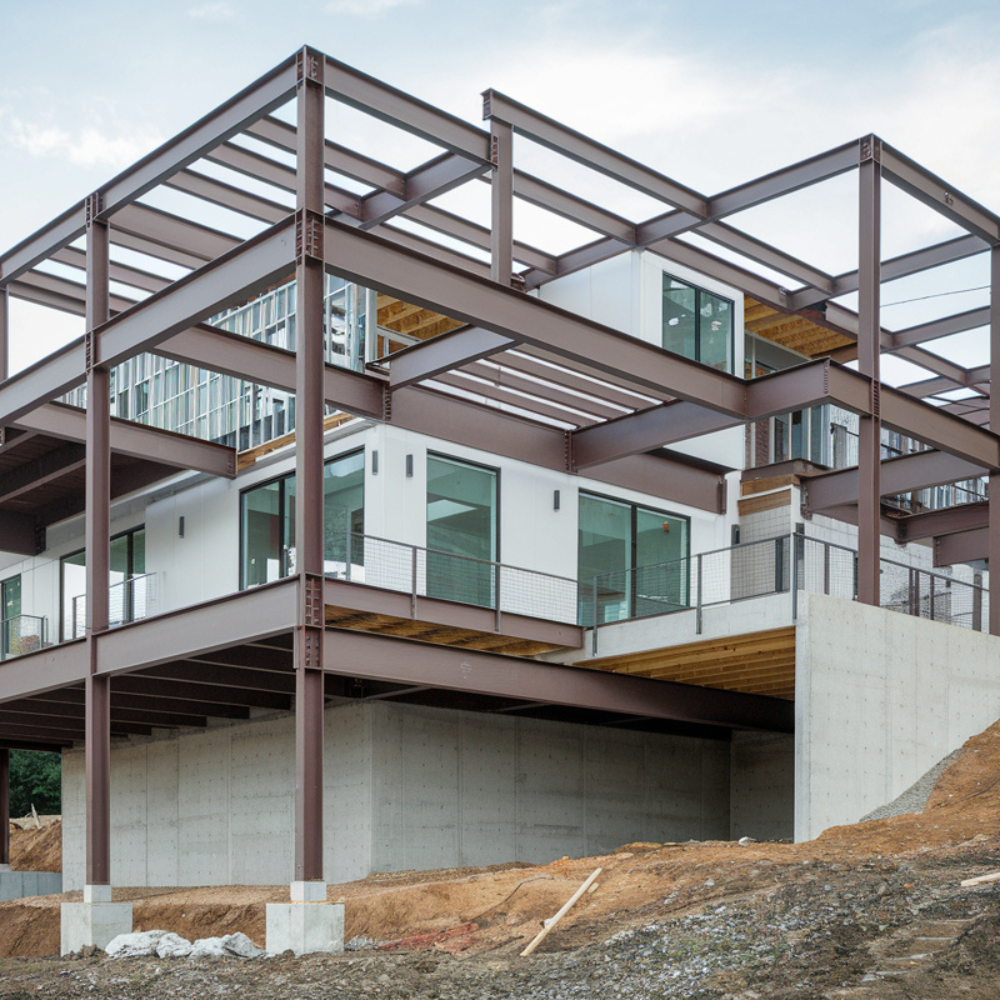
Catastrophe Preparedness: The Role of Civil Engineers
Structural engineers play a pivotal role in ensuring the security and resilience of buildings and amenities against catastrophic events. They are responsible for creating structures that can withstand various stresses, such as earthquakes, hurricanes, and floods. By employing advanced calculations and understanding the properties of materials, engineers develop solutions that mitigate risks associated with severe weather conditions and seismic activity. structural engineering Surrey is vital in assessing vulnerabilities and implementing structural elements that enhance the overall strength of a structure.
Through collaboration with architects and other stakeholders, structural engineers help create thorough disaster preparedness plans. This includes performing risk assessments that recognize possible risks and determining the necessary design features necessary to minimize damage. They utilize creative techniques and advanced technology, such as 3D modeling and simulation software, to anticipate how structures will respond under various disaster scenarios. Check out this site -thinking approach enables the integration of safety measures from the inception of the planning phase.
In addition to planning and planning, civil engineers also play a key role in educating builders, property owners, and communities about effective strategies for disaster readiness. They provide insights on the importance of strong walls, foundation stability, and material selection, all of which contribute to a building's ability to withstand disastrous events. By promoting awareness and understanding of structural resilience, engineers enable individuals and communities to take preventive actions, enhancing overall disaster preparedness and safety.
Novel Approaches for Seismic Resistance
New advancements in civil engineering have led to new methods that greatly enhance the earthquake durability of structures. One prominent method is base isolation, which involves positioning a adaptable bearing system among the structure and its foundation. This allows the building to move independently of ground motion, minimizing the forces transmitted during an occurrence. Base isolators can effectively mitigate damage by soaking up and distributing seismic energy, thus safeguarding critical structural elements and securing the safety of occupants.
Furthermore, cutting-edge technique is the use of energy-absorbing devices. These systems are embedded into a building’s framework and help to take in and disperse the kinetic energy produced by seismic activity. Common energy-dissipating devices include dampers, which can be made from materials like steel or elastomers. They are designed to deform or respond under stress, converting seismic energy into heat and reducing the effect on the overall structure. This technology has proven vital in high-rise buildings and other challenging structures where traditional design methods may fall short.
Ultimately, advanced materials such as reinforced composites and metals with memory offer remarkable benefits for seismic-resistant design. These materials exhibit high strength-to-weight ratios and can regain their original shape after deformation, making them ideal for structures subject to seismic forces. Their application in reinforcement bars and composite structural elements boosts the overall resilience of buildings. As engineering practices continue to evolve, embedding these materials is likely to lead to better and more flexible structures that can endure the obstacles posed by earthquakes.
Eco-friendliness and Future Trends in Structural Engineering
As the world increasingly confronts the challenges of global warming, environmental responsibility in civil engineering has become a critical focus. Engineers are now focusing on the use of eco-friendly materials and practices to minimize the environmental impact of construction. For instance, the use of recycled materials, sustainable wood, and minimal manufacturing processes not only conserves resources but also reduces carbon footprints. Enviro-friendly construction certifications like BREEAM are driving this trend, pushing structural engineers to innovate in material choices while ensuring that safety and longevity standards are met.
Looking ahead, trends in civil engineering are leaning towards advanced technologies that promote resilience and sustainability. The use of Building Information Modeling (BIM) allows for more efficient planning and resource allocation, enabling engineers to assess the ecological footprint of structures before construction begins. Moreover, emerging practices like modular construction and prefabrication are gaining traction, allowing for effective use of materials and reduced waste. These developments promise to enhance both the environmental viability and resilience of structures in the amidst natural disasters and climate variability.
The prospects of structural engineering is also being shaped by the integration of smart technologies. Innovations such as sensor systems and data analytics are empowering engineers to monitor the health of structures in real-time, providing insights that can lead to quicker repairs and preventive maintenance. This change not only helps in ensuring public safety but also increases the lifespan of buildings and infrastructure systems. By adopting these advancements, structural engineers are not only addressing current demands for sustainability but also paving the way for a resilient and resource-efficient future.