

Lately, tooth implants have come forth as a transformative solution for those facing missing teeth. Providing not just a usable replacement as well as a means to regain confidence and enhance self-esteem, dental implants have established themselves as a cornerstone of modern dentistry. With advancements in technology and techniques, the process of dental implant placement and restoration has developed, making it more available and effective for patients seeking lasting solutions.
Grasping the intricacies of dental implants and restorations is crucial for anyone considering this dental procedure. From the preliminary consultation to the final healing process and long-term care, each phase plays a key role in the overall success of the treatment. As we explore this complete guide to dental implants, we will explore the benefits, address common myths, and provide insights into what to expect throughout the journey. Whether you are contemplating a single tooth replacement or a full mouth restoration, this article aims to arm you with essential knowledge to make informed decisions about your dental health.
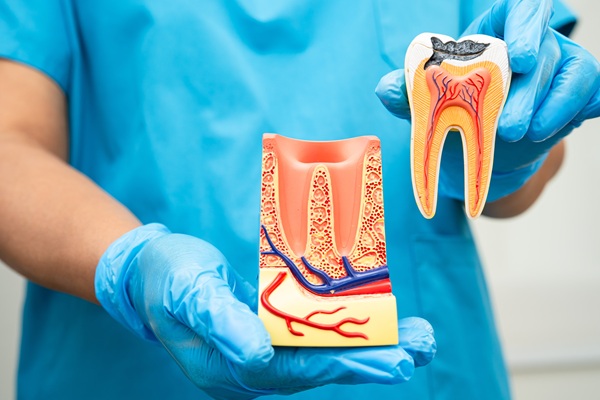
Comprehending Tooth Implants and Reconstruction
Dental implants are a common plus effective option for making up for lost dental structures, providing a durable & aesthetically pleasing outcome. https://kanstrup-han-2.technetbloggers.de/from-missing-to-marvelous-enhancing-lives-with-dental-implants consist of a titanium post that is surgically inserted in the jaw, acting as a root for the substitute tooth. This method not only renovates function while also promotes jaw health, averting the bone degradation that frequently accompanies losing teeth. The rehabilitation process generally entails fixing a crown, bridge, or prosthetic to the post, depending on the count of tooth replacements.
The mechanism of implant rehabilitation is comprehensive, often beginning with a comprehensive consultation to assess the individual's oral health and appropriateness for the procedure. Cutting-edge imaging techniques, like 3D technology, are vital in precise planning and placement of the fixtures. In some cases, extra procedures like bone grafting may be required to guarantee there's sufficient bone strength to accommodate the implants. This diligent preparation helps to maximize the success of the devices and boosts the patient experience for patients.
Once the implants are in situated, the restoration phase carries on with the creation and fitting process of personalized replacement teeth. This is where the aesthetic benefits come into play, as implanted crowns or bridges are crafted to mimic the aesthetics of current teeth. Care and upkeep after the procedure are essential for longevity, with recommendations given by oral health experts to guarantee the optimal results. At Click for more , tooth implants not only solve the functional issues associated with absenteeism of teeth while also greatly boost a person's self-esteem and standard of living.
The Benefits & Points to Consider
Implants offer a variety of advantages that make such solutions a popular option for people with lost teeth. One of the most notable advantages is their ability to rebuild both utility and appearance. Implants are designed to look and feel like natural teeth, allowing patients to dine, speak, and grin with confidence. Furthermore, they help maintain jawbone integrity by preventing deterioration that often occurs after losing teeth, contributing to better dental health in the extended period.
Nonetheless, there are important aspects to keep in mind before choosing for such procedures. The surgical procedure requires sufficient bone structure in the jaw, and some patients may need bone grafting to ensure success. Additionally, the process can be time-consuming, often consisting of several appointments over many months for installation and healing. Patients must be prepared for a long-term responsibility that includes subsequent appointments and careful attention of the implants.
Pricing is another aspect that cannot be neglected. While dental implants tend to be more pricey initially relative to substitutes like false teeth or tooth bridges, they offer longevity that potentially reduces the need for subsequent dental work. It is important for patients to evaluate their monetary resources and talk about financing options with their dental provider. Balancing the benefits with these considerations can help patients make wise decisions about their oral health and options for restoration.
The Dental Implant Procedure and Recovery
The dental implant procedure begins with a comprehensive consultation, where your dentist assesses your oral health and talks about your treatment options. This includes imaging tests, such as radiographs or three-dimensional scans, to assess the jawbone's strength and structure. If you are a suitable candidate, the next step involves placing the implant into the jawbone, acting as a root for the new tooth. This process is usually done under local anesthesia, and some patients may require sedation options to guarantee comfort throughout the process.
After the implant is placed, a recovery period starts known as osseointegration phase, where the implant fuses with the bone. This may take several months, during which time your dentist might offer a temporary restoration to preserve appearance and function. Once the fusion is finished, the next step is placing an abutment, which will hold the final crown in place. Your dentist will take impressions to create a custom crown that complements your natural teeth for appearance and functionality.
Recovery varies from patient to patient but generally includes some inflammation and discomfort in the first days following the operation. Dentists often advise a soft food diet and over-the-counter pain relief for the first few days. It is imperative to follow your dentist's post-operative care instructions, which includes maintaining oral hygiene around the implant. Regular follow-up visits will allow your dentist to monitor healing and ensure successful integration, ultimately leading to restored function and confidence in your smile.