

Within the realm of long-haul trucking , the significance of high-performance tires for freight trucks is paramount . These tires are the key players that bear the significant weight of cargo and provide the essential traction , steadiness , and reliability as trucks traverse multiple road conditions . Whether it's the continuous length of highways , winding secondary roads , or difficult surfaces, the best tires play a vital role in guaranteeing seamless and successful operations.
Choosing the suitable tires for a large truck can notably influence not only the vehicle's functioning but also fuel efficiency , protection, and total upkeep expenses . With so many manufacturers and available tires on the market , it's essential for truck operators to understand the different types of tires, indications showing the need for new tires , and how to care for them efficiently. As the trucking industry continues to evolve , being aware about tire technology and trends is essential for those engaged in extensive shipping .
Selecting the Appropriate Tires for Extended Hauling
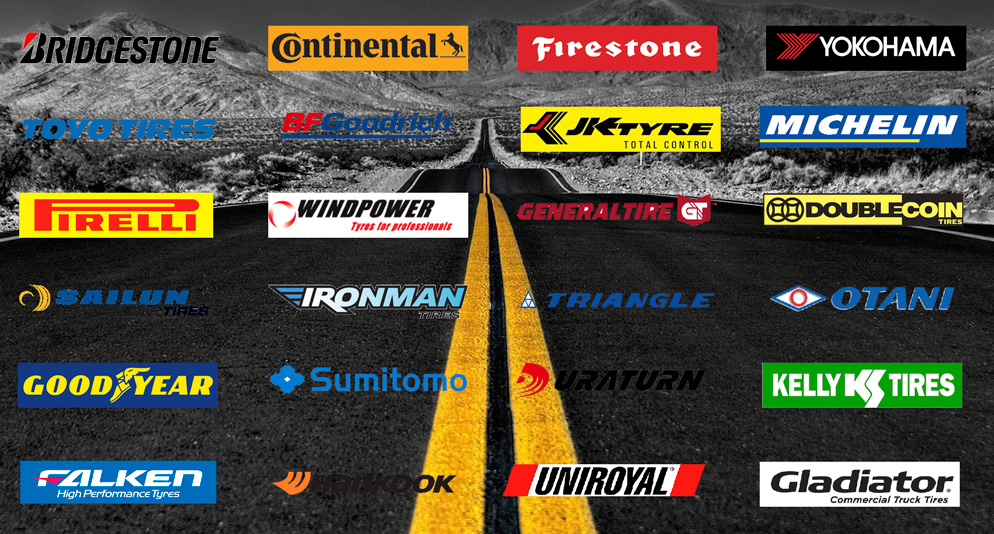
Choosing the right tires for extended hauling is vital for enhancing efficiency and safety. The particular demands of long hauls necessitate tires that can endure prolonged wear while keeping performance under heavy loads. Factors such as tire tread pattern, rubber material, and overall configuration play a key role in how tires perform over long distances. It's crucial to evaluate the type of cargo being transported and the routes taken, as these elements will impact the most suitable tire options.
When considering tire choices, grasping the differences between front and drive tires is essential. Front tires are built for handling and steering precision, ensuring optimal steerability and responsiveness. In contrast, drive tires must deliver traction and durability to manage the weight and stress of extended loads. Evaluating the right mix between these tire types based on your operations can result in better performance and safety on the road.
Fuel economy is another important consideration in selecting tires for extended transport. Certain tire models are designed to reduce rolling resistance, which can lead to significant fuel savings over time. Additionally, ensuring proper tire inflation is crucial for optimal fuel efficiency and overall tire health. Ensuring that tires are pumped to their appropriate pressure levels can avert uneven wear and lengthen the lifespan of your tires, eventually leading to lower operating costs.
Tire Maintenance & Security related to Large Trucks
Adequate tire maintenance is vital to ensuring the safety and effectiveness of semi-trucks for prolonged hauls. Regular inspections typically entail examining the presence of tread depth, damage, along with any signs of uneven wear, that could indicate misalignment or inadequate inflation. Keeping appropriate air pressure in tires merely extends their lifespan and additionally significantly enhances fuel efficiency. The necessity of proper tire inflation should never be ignored, since under-inflated tires might cause blowouts as well as compromised handling, thereby pose significant risks on the road.
An critical aspect of tire maintenance is adherence to DOT regulations about tire condition along with performance standards. Fleet managers must keep meticulous records for inspections, pressure checks, and maintenance performed of each tire. Educational programs along with training of drivers as well as maintenance personnel might promote a culture in safety & awareness, making sure that everyone understands the role which tires in overall vehicle performance & safety. With investing in tire management training, fleets can prevent costly accidents along with downtime due to tire-related issues.
Furthermore, best practices for semi-truck tire maintenance entail regular tire rotations & balancing to prevent uneven wear. It is that rotate tires every 6,000 to 8,000 miles, based on the specific tire type along with vehicle use. This practice helps achieve even wear across all tires, maximizing the lifespan of the tires. Understanding the way road conditions might affect tire performance is just as important, as challenging environments could require more frequent checks as well as maintenance to ensure safety remains the priority.
Future Trends in Truck Tire Technology
The progression of tire technology for trucks is prepared to integrate improvements in connected technology and networking. Smart tires, fitted with sensors and pressure monitoring technology, will allow fleet managers to receive immediate information about tire conditions. Such advancements not only enhances safety levels by allowing proactive maintenance but further boosts fuel economy by guaranteeing ideal tire air levels. As the aforementioned technologies develop, the incorporation of AI could lead to anticipatory analytics that predict tire degradation and refine tire options based on particular pathways and cargo.
A further noteworthy development is the advancement of sustainable tire substances and configurations. Manufacturers are increasingly emphasizing sustainability, manufacturing tires made from renewable resources and recycled materials. Check out the post right here eco-conscious options not just reduce the environmental footprint of the logistics sector but can also present enhanced fuel efficiency. Additionally, innovations in tire tread styles that reduce friction are gaining traction, contributing to decreased expenses for trucking companies while ensuring solid performance over vast distances.
In conclusion, progress in tire retread technology remains a critical area for the freight transport sector. Retreaded tires can drastically cut costs while supporting sustainable practices, as they extend the life of used tires. Enhanced retreading processes employing high-quality materials and technology can produce tires that meet the demands of today's trucking while maintaining safety and reliability. As these future trends come to fruition, they will revolutionize the landscape of commercial tire options significantly, impacting everything from expense oversight to eco-conscious practices.