

The practice of surveying is a key profession that acts as the foundation of property development and real estate transactions. As landowners navigate the nuances of land ownership, they often find themselves grappling with concerns about property lines, regulatory requirements, and construction precision. Understanding what a surveyor does is important for anyone involved in the property market, whether you're a homeowner looking to expand your property, a buyer considering a new purchase, or a developer starting a major project.
From property boundary assessments that help avoid financial disputes to the advanced technology shaping modern practices, surveyors play a crucial role in ensuring accuracy and adherence in land use. This article will explore various aspects of surveying, providing insights into why it is crucial to hire a specialist at important stages of property transactions and construction projects. By understanding the significance of surveys and the expertise that surveyors bring to the table, property owners can make wise decisions that protect their investments and promote successful project outcomes.
Understanding Property Surveys and Their Importance
Property surveys are essential tools that provide critical information about a property’s limits, terrain, and features. They are conducted by professional surveyors who use a variety of strategies and tools to collect exact measurements and data. A land survey serves as a comprehensive map representing the property’s size and any significant landmarks, which can include structures, roads, and natural elements. This thorough information is crucial for property owners, developers, and builders alike, guaranteeing all parties have a clear understanding of the land in question.
Before acquiring a property, it is necessary to secure a land survey to avoid potential disputes over property lines or encroachments. A survey reveals whether the property is properly described in documents and if there are any legal rights or other liens that might impact ownership. Moreover, understanding the specific boundaries of a property can help in making informed decisions regarding future developments or construction projects, ultimately shielding against financial legal issues down the line.
In construction and property development, land surveys play a critical role in ensuring compliance with local regulations and standards. Accurate surveys help prevent construction errors, which can lead to holdups and additional expenses. By identifying the precise location of structures, utilities, and other essential elements, surveyors assist the planning and implementation of projects. As modern advancements, such as GPS and drones, continues to progress, the efficiency and precision of land surveys enhance, making them an indispensable aspect of the real estate and construction sectors.
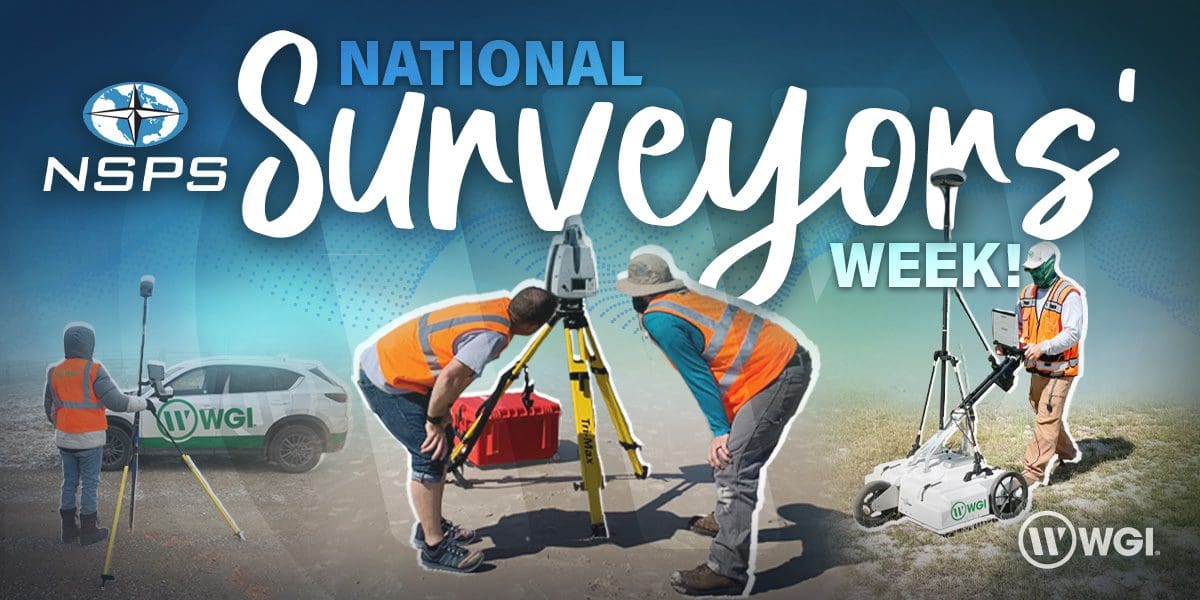
Choosing the Appropriate Surveyor for Your Project
Selecting the appropriate surveyor is essential to the success of your project, whether it concerns buying real estate, beginning a construction project, or addressing a property dispute. Start by identifying your specific needs; different types of inspections require different expertise. For example, if you are purchasing industrial property, an ALTA/NSPS surveyor is perfect, while boundary inspections demand a qualified skilled in property boundaries. Make sure to articulate your objectives and requirements upfront to guarantee the surveyor you select is well-suited for your job.
Afterward, verify the certifications and expertise of potential surveyors. Look for specialists with appropriate certifications and a good track record of executed tasks similar to yours. Referrals from acquaintances or internet reviews can provide insights into the surveyor's credibility and trustworthiness. It is crucial to inquire about their familiarity with the cutting-edge tools and practices, such as GPS and drone surveying, as new tools can significantly improve the exactness and effectiveness of the survey.
To wrap up, don’t hesitate to conduct a dialogue with your finalist surveyors. This conversation should cover their methodology to the task, deadlines, and expenses to guarantee openness. Question about their approach and how they handle challenges, as this will give you understanding into their problem-solving abilities. By interacting directly with the surveyor, you can assess their competence and determine whether they align with your job and requirements.
Modern Tech in Surveying
The land surveying industry has been substantially changed by advances in techniques, leading to more reliable, effective findings. level 2 survey of the most significant advancements is the use of GIS, which allows land surveyors to acquire, handle, and examine geospatial data with exactness. This system improves the ability to chart land and assess different geographic attributes, ultimately enabling better choices and developing for property initiatives.
Unmanned Aerial Vehicles (UAVs) are another revolutionary tool in the field of land surveying. With their ability to survey large spaces quickly and capture detailed overhead imagery, these UAVs simplify the land analysis process, minimizing the time and labor needed for classic land evaluations. Coupled with navigation technology, UAV surveys provide outstanding resolution and precision, allowing for thorough three-dimensional modeling that is essential in construction and land planning projects.
Furthermore, the introduction of 3D laser scanning has changed how surveyors acquire and analyze geospatial data. This tool creates detailed three-dimensional depictions of landscapes and buildings, improving the ability to conceptualize and plan projects with extensive precision. The use of these new tools not only boosts the exactness of assessments but also assists in mitigating potential issues and avoiding costly errors throughout construction and real estate project phases.