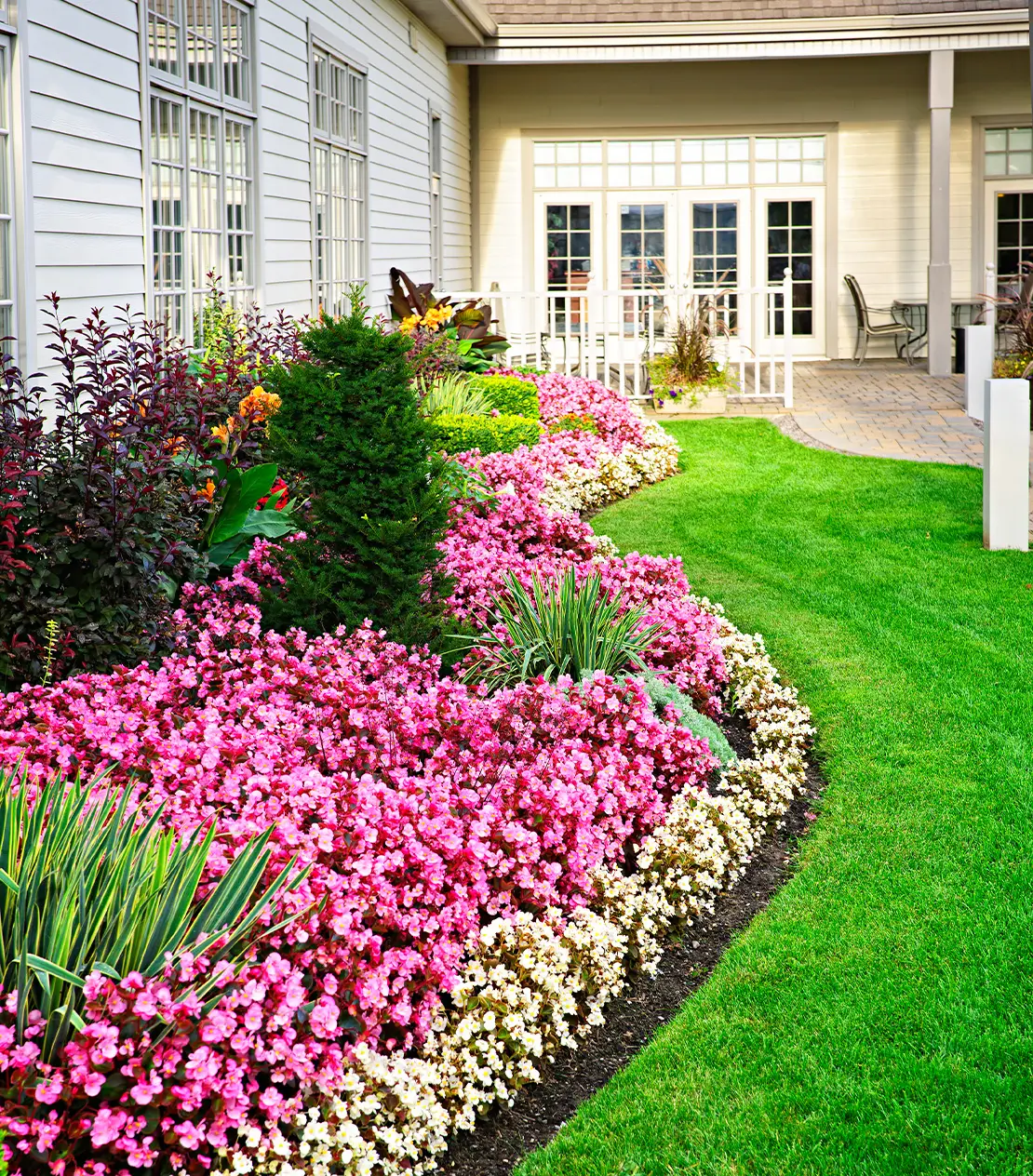
Landscaping is an expressive art form that communicates not just our taste in aesthetics, but also our connection with the natural world and our yearning for functional outdoor spaces. As we step into the backyards or stroll through public parks, we are often immersed in a quiet conversation between the plants, the structures, and the overall arrangement. It’s a language spoken through hues, textures, and designs that not only improves beauty but also nurtures health and bonding to the environment.
In this investigation of the language of plants, we will explore various landscape design ideas and techniques that can convert any outdoor space into a oasis. From modern to classic styles and from eco-friendly designs to creative hardscaping, these insights will help you explore the options available to create a stunning backyard that showcases your individual style and satisfies your requirements. Whether you're a novice or an seasoned gardener, our manual will provide inspiration and useful tips to help you create your ideal landscape.
Top Garden Planning Ideas
Crafting a gorgeous backyard starts with thoughtful planning and imagination. One of the best suggestions is to incorporate a variety of plant types to form a dynamic and engaging visual delight. Mixing perennials with seasonal flowers ensures there will regularly be something in bloom throughout the seasons, while adding varied textures and colors can contribute depth and interest to the landscape. Additionally, utilizing flowering shrubs can offer structure and seasonal highlights, making your landscape lively year-round.
An additional beneficial strategy is to include hardscaping components, such as terraces, pathways, and balconies, which act as the basis of your yard space. These components not only offer usable areas for rest and entertaining but also assist to separate various sections of your landscape. Using materials like natural stone, brick, or concrete can match the natural aspects and create a cohesive look. Adding features like supportive barriers or raised garden beds can also improve the overall plan while addressing any water or height issues.
Lastly, think about the influence of illumination on your landscape plan. Strategically placed outdoor lighting can establish ambiance, illuminate key aspects, and enhance safety during nighttime hours. Gentle pathway illumination or uplighting on trees can convert your landscape into a charming space after dusk. By thoughtfully combining plant life, hardscaping, and lighting, you can craft a backyard that is not only stunning but also usable and welcoming.
Eco-Friendly and Low-Maintenance Garden Design
Designing a sustainable landscape plan goes hand in hand with developing a easy-care garden. By choosing indigenous plants that are well-adapted to the local climate and soil conditions, homeowners can minimize water consumption and the necessity for fertilizers and herbicides. Local plants often demand less care since they flourish naturally in the ecosystem. Adding water-wise varieties can further enhance sustainability while maintaining aesthetic appeal in the landscape.
Along with plant selection, implementing landscaping features can greatly lower upkeep requirements. Elements such as trails, decks, and retaining walls not only provide aesthetic value but also aid address water runoff and soil wear. Using https://michelsen-combs-5.federatedjournals.com/garden-design-for-wellness-building-tranquil-external-spaces enables rainwater to penetrate the ground, reducing runoff and encouraging groundwater recharge. These hardscape elements can complement your garden while minimizing the work needed for care.
A further key aspect of eco-friendly and easy-care landscaping is the implementation of mulching and cover plants. Applying natural mulch can minimize weeds, hold moisture, and boost soil health as it decomposes over time. Ground covers like thyme or succulent plants can cover spaces without demanding mowing, providing coverage and color with little effort. By emphasizing these strategies, homeowners can experience a gorgeous landscape that embodies green principles and saves time on care.
Crafting for Aesthetics and Practicality
Formulating a cohesive landscape design calls for a thoughtful balance between aesthetics and practicality. While picking plants, materials, and features, it is important to think about how they combine to create an enticing space. A stunning garden can serve as a peaceful retreat or a bustling gathering area, but its design must also meet practical needs such as ease of access, maintenance, and usability. By integrating pathways, seating areas, and focal points, homeowners can guarantee that their outdoor spaces are both aesthetically pleasing and practical for everyday use.
Incorporating hardscaping elements is a vital strategy in achieving this harmony. Features such as patios, walkways, and walls not only enhance visual interest but also provide organization within the landscape. These elements can create separate areas for cooking, entertaining, or relaxation, while also helping to manage water drainage and reduce yard maintenance. The choice of materials for hardscaping can complement the overall design style, whether that be contemporary or traditional, ensuring a cohesive look that corresponds to the homeowner's vision.
Lighting plays a significant role in enhancing landscape design, allowing for the beautification of outdoor spaces while improving safety and accessibility. Thoughtfully placed lighting fixtures can illuminate features like water elements, unique plants, or architectural details, creating a enchanting atmosphere at night. Additionally, landscaping with a focus on both beauty and function can lead to sustainable outcomes, using native plants and sustainable practices to create an appealing, low-maintenance environment that nurtures local wildlife and minimizes resource use.