

Upholstery cleaning might seem like a daunting task, but it is an important part of keeping a fresh and inviting home. Many homeowners neglect their furniture when it comes to maintenance, but just like carpets, upholstery accumulates dirt, stains, and allergens as time passes. This guide aims to clarify the process of upholstery cleaning, equipping you with the insight and tools you need to tackle even the most stubborn stains and odors.
From understanding the different cleaning methods available to identifying the signs that it’s time for a deep clean, we will discuss a wide range of topics that will enable you as a homeowner. Whether you're facing pet stains, allergens, or just regular wear and tear, we have tips and tricks to guarantee your furniture looks its finest. Join https://orangenation65.bravejournal.net/new-fabrics-enhance-your-home-with-textile-cleaning as we explore the comprehensive guide to upholstery cleaning, helping you create a healthier and more comfortable living space for you and your loved ones.
Furniture Care Basics
Grasping the basics of upholstery cleaning is crucial for preserving the aesthetics and durability of your furniture. At the heart of efficient care is knowing the type of material you're working with, as different materials require specific care. Always check professional upholstery cleaner for care guidelines, which may specify whether a water-based or solvent-based cleaner is appropriate. This knowledge will help you prevent damaging your upholstery and ensure a thorough cleaning.
Equipment and supplies play a significant role in the cleaning routine. Necessary items include a vacuum cleaner with upholstery tools, microfiber towels, brushes, and suitable cleaning solutions tailored for your particular fabric kind. It's advantageous to invest in high-quality upholstery care products that effectively target stains while being kind on the material. Additionally, using environmentally-friendly products can be advantageous for both your home environment and the planet.
Regularity of cleaning is another important aspect to consider. Regular maintenance, such as cleaning once a week and spot cleaning as soon as spots occur, can stop dirt and grime buildup, keeping your upholstery clean. For a thoroughly intensive cleaning, try to schedule professional cleaning at least once every 12 to 18 months. This practice not only enhances the visual appeal of your items but also contributes to a healthier indoor air environment, making your home more welcoming.
DIY vs. Professional Cleaning
When it comes to upholstery cleaning, homeowners often face the dilemma of deciding to either handle the task themselves or hire a professional service. Do-it-yourself cleaning can be appealing for its affordability and ease. Many homeowners feel empowered by using home remedies and store-bought cleaning solutions to treat typical stains. However, without the proper knowledge and tools, it is easy to make mistakes that can lead to damage or ineffective cleaning results.
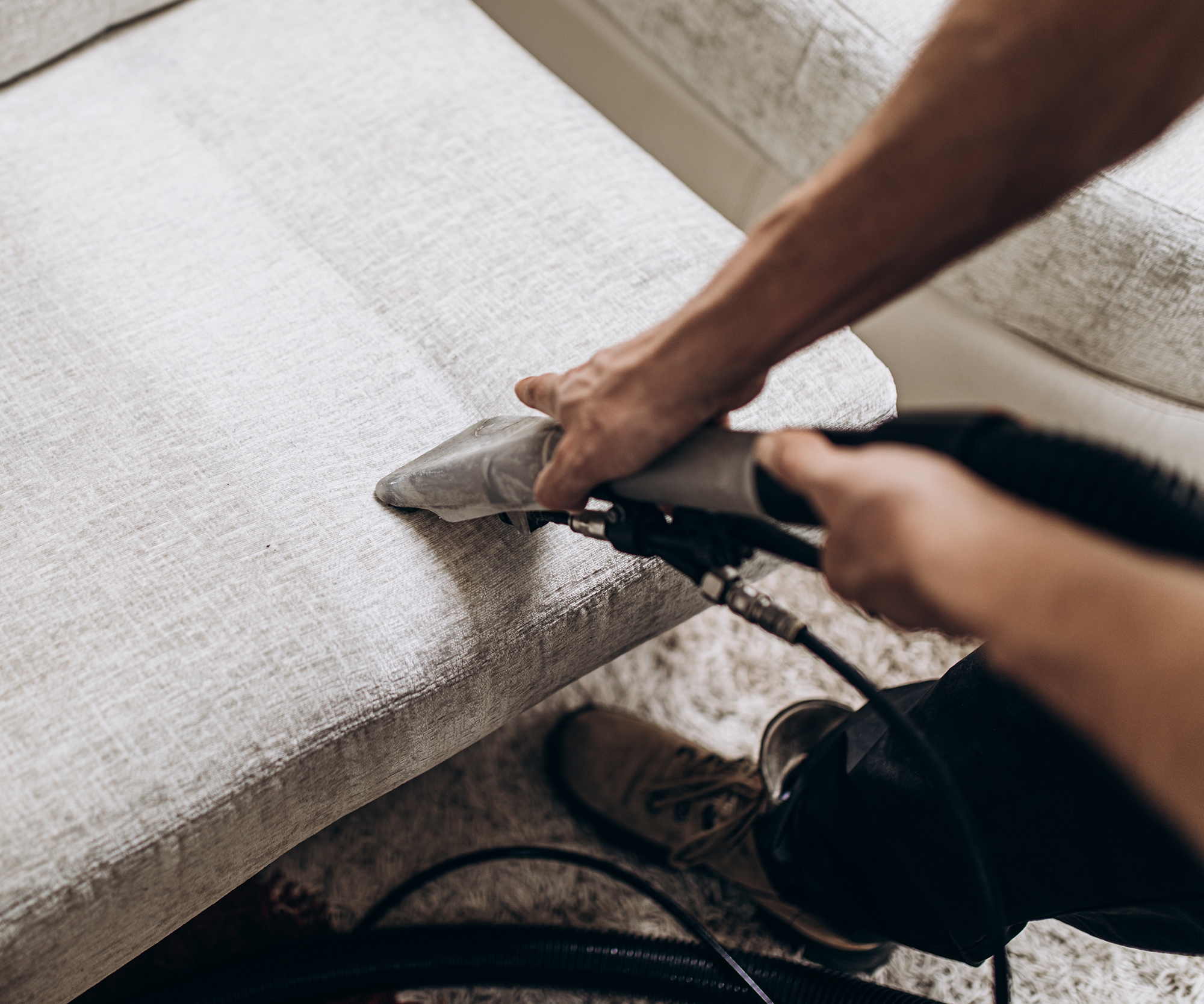
Conversely, professional upholstery cleaning offers specialized knowledge that can significantly improve the results. Skilled technicians possess specialized equipment and expertise of various fabrics and stains, ensuring a comprehensive clean. They are also familiar with the suitable methods for steam cleaning versus dry cleaning, which can greatly influence the durability and look of your upholstery. The expense in hiring experts can ultimately save you money by prolonging the lifespan of your furniture.
To summarize, the choice between Do-it-yourself and expert cleaning is influenced by several considerations, including your budget, the type of the stains, and your comfort level with cleaning techniques. If the upholstery fabric is sensitive or heavily stained, seeking expert assistance is often the best way to ensure a meticulous clean. For small messes and maintenance, do-it-yourself techniques may be adequate, provided you adhere to professional recommendations to avoid common pitfalls.
Maintenance and Protective Advice
To maintain your upholstery appearing new and like-new, regular care is key. Clean your upholstery at a minimum of one time a week to prevent dust and debris from settling in the fabric. Using a soft brush attachment can assist remove dirt without damaging fibers. Pay special attention to seams and crevices in which crumbs and dust tend to accumulate. This simple practice can significantly extend the life of your furniture and minimize the buildup of allergens.
In addition to regular vacuuming, consider treating your upholstery with a fabric protector. This will create a barrier against spills and stains, making cleaning simpler and not as frequent. Look for eco-friendly options to make sure you're not introducing harsh chemicals into your home. Always adhere to the manufacturer's instructions for application to avoid any damage to the fabric.
Lastly, be proactive in dealing with spills and stains immediately soon as they occur. Click here for more with a clean cloth—never rub, as this can smudge the stain. If you're unsure about how to treat a specific stain, check your upholstery’s care label for guidance. Taking these preventive measures can help maintain the aesthetic of your upholstery and save you time and effort in the long run.