

Geomorphological assessments are a vital element of land development, acting as the basis upon which successful construction initiatives are constructed. These detailed surveys provide critical insights about the geographical features of a site, such as its heights, contours, and current structures. By gathering this critical information, topographical surveys enable accurate planning and design, ultimately lessening risks and ensuring that undertakings are carried out effectively.
Grasping what a topographical survey involves and its importance can greatly enhance the efficiency of land development projects. Whether you are a real estate developer, designer, or engineer, knowing when and how to utilize a topographical survey can make a substantial difference in results. This article will discuss the different aspects of topographical surveys, from their function in planning permits to the modern technologies that have changed the surveying process.
Understanding Topographical Mappings
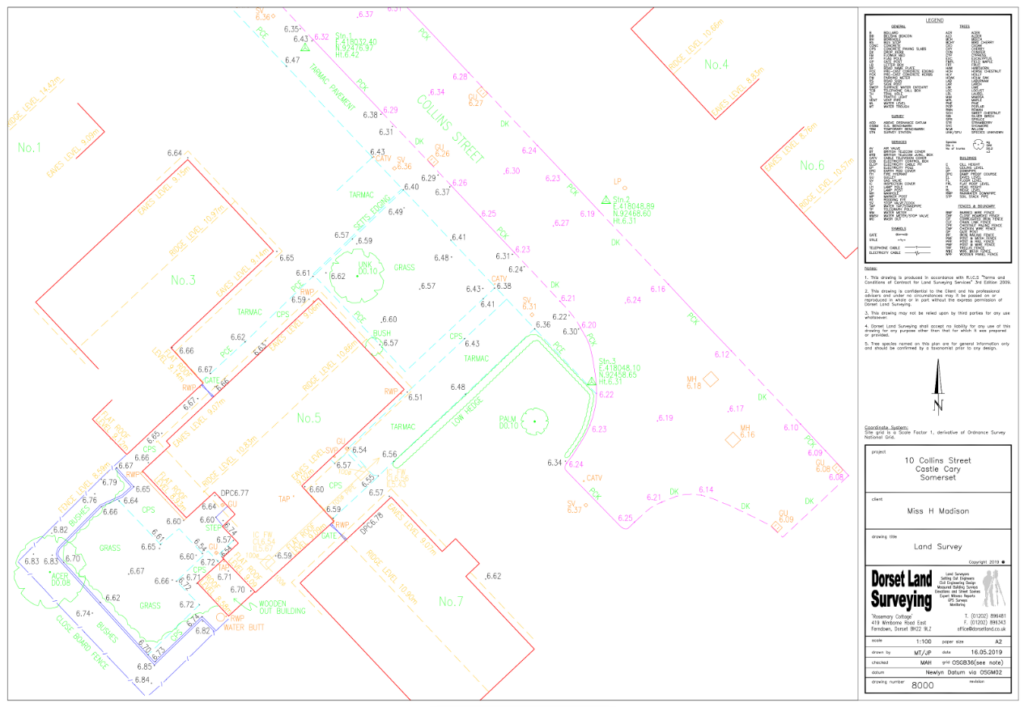
A contour survey is a detailed representation of the contours, features, and elevation of a specific piece of land. It offers important information about the land’s natural and constructed elements, gathering data on gradients, flora, buildings, and aquatic features. This kind of survey is vital for various initiatives, from residential developments to extensive infrastructure works, providing a comprehensive view that can greatly influence planning and development decisions.
The information gathered in a topographical survey is used to create detailed maps that depict the terrain's contour and characteristics. These maps help architects, specialists, and contractors envision the site and evaluate key aspects such as water flow patterns, slope stability, and land utility. By grasping the terrain features, professionals can make wise decisions about site layout and the arrangement of facilities, ensuring that projects are both feasible and sustainable.
In addition to aiding in planning, terrain surveys also play a key role in meeting regulations and green assessments. They highlight potential obstacles and problems posed by the topography, such as flood-prone zones or conservation areas. By pinpointing these issues early in the design process, participants can avoid financial mistakes and better adhere to local regulations, ultimately leading to the overall success of the building project.
Importance and Benefits
Topographical surveys are vital for comprehending the physical features of a land plot. They provide detailed information about the shapes, elevations, and features such as vegetation or water bodies within an area. This information is critical for diverse endeavors, as it serves as the foundation for development and architecture. Accurate topographical data helps designers, engineers, and builders make sound judgments, ultimately shaping the result of the development.
In home constructions, topographical surveys assist in guaranteeing that the design adheres to regional planning regulations and integrates with the surrounding environment. They play a vital role in detecting potential site obstacles, such as inclines or water flow patterns, which can impact building placement and drainage solutions. Similarly, for commercial sites, topographical surveys help lessen risks and enhance site usability, thereby promoting efficient operation and development.
Recent innovations has considerably refined the methods used in conducting topographical surveys. Instruments like GPS, drones, and laser scanning provide high levels of accuracy and speed in data collection, allowing for prompt updates and revisions. This technological advancement not only ensures that the surveys are more reliable but also reduces expenses and duration associated with surprising complications that may arise from inaccurate land information.
Technological Developments in Topographical Surveying
In the last years, tech developments have revolutionized the field of terrain surveying, enhancing both precision and efficiency. Conventional survey methods, while trustworthy, often required manual processes and extended durations. The advent of Global Positioning System technology has considerably improved location precision, allowing surveyors to capture comprehensive data quickly and efficiently. This modern approach means that land surveyors can now operate in difficult terrains and isolated areas with ease, streamlining the process and minimizing the time it takes to complete a survey.
Drones have emerged as a game-changing tool in topographical surveying. Fitted with sophisticated photographic and charting technology, UAVs can traverse large spaces in a small part of the duration it would take using traditional methods. They offer high-resolution aerial photographs, enabling surveyors to assess terrain features from above. This capability not only improves the information standard but also enables the identification of potential site constraints, helping project planners make more knowledgeable decisions before construction starts.
Moreover, LIDAR technology has turned into an essential part of current topographical surveying. This method provides precise measurements of the land and adjacent buildings, creating comprehensive 3D representations that are invaluable for architects and construction professionals. The ability to produce accurate digital models of a site aids in better planning and development, making certain that projects are executed efficiently and in accordance with regulations. As https://surveyorssurrey.co.uk/ continue to evolve, they promise to further improve the capabilities and uses of terrain surveys in various development initiatives.