

In recent years, the charm of wood stoves has made a remarkable return, offering both warmth and visual appeal to homes. Previously viewed as a thing of the past of the past, these stoves are now admired for their ability to create a welcoming ambiance while providing an reliable heating solution. The charm of a popping flame and the gentle glow of embers evoke feelings of comfort and sentimentality, making wood burning stoves an ever more popular choice for residents looking to improve their homes.
Whether you're a complete beginner or seeking to upgrade your current setup, this guide will lead you through the essential aspects of wood burning stoves. We will explore their benefits, compare them with gas options, and provide vital insights on security, upkeep, and assembly. From picking the right stove for your space to comprehending the environmental impact, you will uncover everything you need to know to create a cozy and friendly atmosphere in your home with a wood burning stove.
Advantages of Wood Burning Stoves
Firewood stoves provide an incomparable warmth and ambiance that can transform any living space into a welcoming retreat. The captivating flames and hissing sounds create a calming atmosphere, making them ideal for gatherings with family and friends during frosty winter nights. Additionally, wood burning stoves can be a trendy focal point in home design, offering various styles and finishes to enhance any interior.
Another important advantage of wood burning stoves is their affordability compared to traditional heating systems. With rising energy costs, homeowners are increasingly turning to wood as a renewable and budget-friendly fuel source. Efficient and high-efficiency wood stoves can markedly reduce heating bills, allowing homeowners to enjoy a cozy environment without financial strain. Furthermore, sourcing wood from nearby sources can lower heating expenses even more.
From an sustainability perspective, modern wood burning stoves have advanced significantly in terms of emissions and efficiency. When operated correctly, they can be a better alternative to fossil fuels, helping to minimize greenhouse gas emissions. Furthermore, Eco Wood Burners Skipton is a replenishable resource, especially when sourced responsibly. This makes wood burning stoves not only a functional choice for heating but also a thoughtful decision for those seeking a greener lifestyle.
Opting for and Assembling Your Wood Burning Stove
Choosing the right wood burning stove for your area requires thoughtful consideration of multiple factors. First, examine the dimensions of the area you intend to heat. A bigger room may need a more powerful unit, while compact spaces can make use of smaller models. It's also important to evaluate the design and appearance of your preferred stove, as it should complement your home’s decor while delivering functional heating. Additionally, pay attention to efficiency ratings, ensuring that the stove fulfills your heating needs without unnecessary fuel consumption.
Once you have chosen a suitable stove, the setup procedure is critical for safety and efficiency. It is highly recommended to hire a professional installer, as they understand local building codes and regulations. Proper clearance from ignitable materials is necessary, so always comply with manufacturer guidelines. Ventilation is also crucial; ensure that your stove connects appropriately to the flue to ensure safe smoke and gas exhaust. If you are an experienced DIY enthusiast, make sure to consult thorough installation manuals or guides.
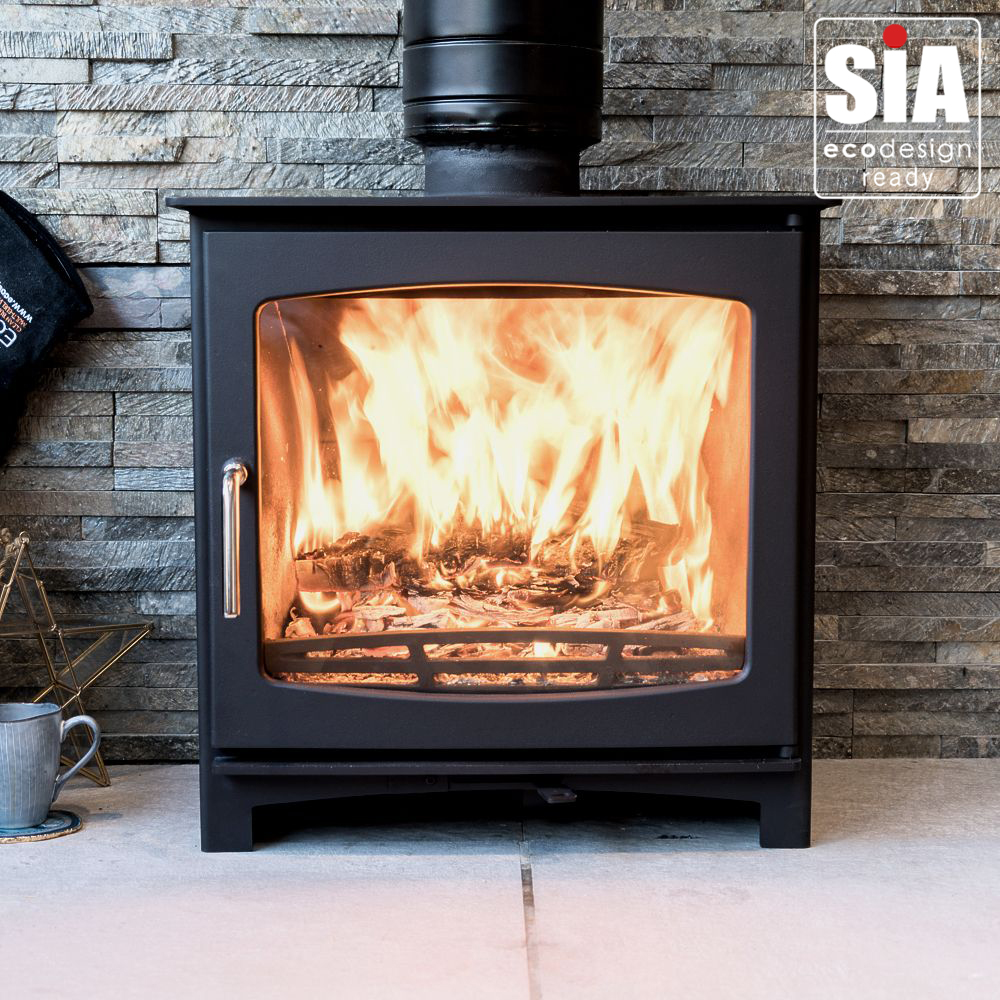
Following installation, taking the effort to conduct a thoroughly detailed inspection is key. Verify that all connections are secure, and check for proper operation by conducting an initial burn. Monitor how your stove operates in various conditions and adjust accordingly for optimal efficiency. Regular care and inspections will help lengthen the life of your stove and boost its overall performance, ensuring it keeps your home cozy and toasty for years to come.
Care and Security Tips
Adequate upkeep of your fireplace stove is vital for its durability and efficiency. Begin by regularly maintaining the flue and chimney to prevent creosote buildup, which can cause chimney fires. It's recommended to have a qualified inspection at least once a year to confirm everything is working properly and securely. Keeping the stove's inside free from debris will also encourage a safer burn, enhancing the thermal effectiveness and reducing emissions.
When operating your stove, safety should always be a priority. Ensure that the area around the stove is free from combustible materials and that you have functional smoke alarms installed nearby. Acquaint yourself with the wood burning stove safety checklist to mitigate risks, such as ensuring that the flue is correctly opened before lighting a fire and never leaving the stove unsupervised while in use. Additionally, teach your family about safety practices, particularly if you have children or pets.
To maximize the efficiency and duration of your wood burning stove, consider the types of wood you use. Hardwoods like maple and hickory burn hotter and longer compared to lighter woods like pine, that can produce more creosote. Properly store your wood in a moisture-free and airy area to prevent moisture absorption, which can lead to inefficient burning and higher emissions. Consistently checking and changing worn parts, such as seals or door seals, will further ensure that your stove functions securely and effectively.