

Tooth implants have transformed the way we deal with loss of teeth and restoration. For many, a absent tooth can lead to not only functional difficulties but also psychological impact. Thankfully, developments in dental technology have opened doors for viable options that not only replace your facial aesthetics but also your assurance. This thorough guide will help you explore the field of dental implants and their restoration, offering you vital facts and insights to decide effectively.
In the following sections, we will discuss the intricacies of dental implants, covering all aspects of the processes involved in receiving an implant, to the factors influencing their durability. Whether you are looking into an implant for a one lost tooth or seeking full mouth restoration, knowing your options is crucial. With the accurate information, you can ensure that your journey towards a better smile is as seamless and successful as it can be.
Grasping Oral Implants along with Reconstruction
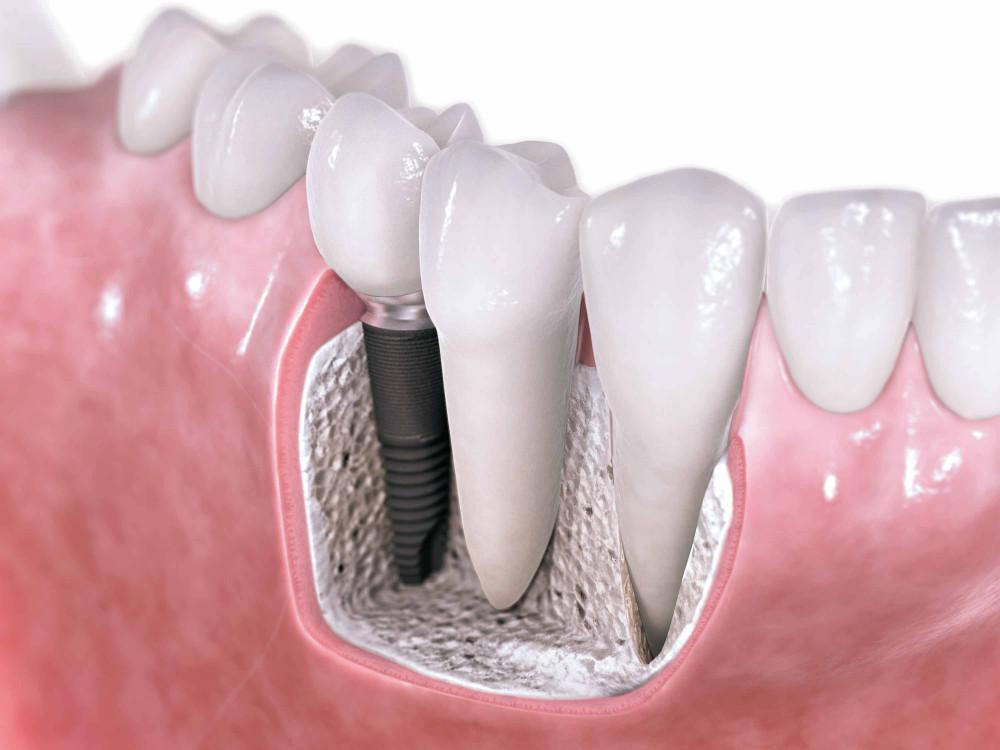
Teeth implants represent a groundbreaking remedy for individuals with missing teeth, presenting a durable and cosmetically attractive alternative. Composed of titanium alloy and alternative biocompatible materials, dental implants are surgically placed into the bone of the jaw, serving as artificial tooth roots. After bonding with the surrounding bone, these implants can hold different kinds of restorations, including tooth crowns, bridges, and false teeth. This procedure does not just restore function but also restores the genuine aesthetic of a person's smile, enhancing one’s self-esteem and quality of existence.
The phase of restoration includes affixing a replacement tooth and a series of teeth to the tooth implant. This can be done through different approaches, depending on the specific situation of the client and the scope of the dental work required. For one missing tooth, a tooth crown is generally used, while multiple missing teeth might require a dental bridge or denture. Find out more of restoration is to make certain that the new teeth match perfectly with the current teeth, both in appearance and utility, making it a vital component in the overall implant procedure.
Individuals for teeth implants need to have sufficient bone strength and excellent dental health to support the devices. However, developments such as bone grafting have enabled for greater patients to be eligible for these procedures. Additionally, advancements in technology has enhanced the planning and implementation, allowing for greater accuracy and reduced recovery times. Ultimately, oral implants and their reconstructions offer a persuasive option for patients wanting to regain their oral appearance and improve their dental health.
A detailed Teeth Implant Process Described
This dental implant process typically begins with a comprehensive consultation in which the dentist evaluates the patient's mouth health, discusses objectives, and takes necessary imaging to design the treatment. This phase is crucial, as it helps identify whether the patient is a good candidate for implants and what specific type of replacement will be best. Factors such as the density of the bone and general health are evaluated to determine the most appropriate approach for the implant surgery.
After the treatment plan is established, the next stage involves the surgical placement of the dental implant. During this procedure, a small titanium post is inserted into the jawbone, acting as a replacement root for the lost tooth. Over the next weeks to several months, the implant experiences osseointegration, in which the bone fuses with the implant, offering stability. This phase is essential for the durable success of the implant and requires proper aftercare and follow-up visits to monitor healing.
After successful integration, the final stage is placing a custom-made restoration, such as a crown or bridge, on top of the implant. The restoration is designed to match the adjacent teeth both in use and appearance. The dentist ensures the fit is comfortable and that the bite is proper before finishing the process. Patients can anticipate to walk away with a completely restored smile, which greatly enhances both aesthetics and oral health.
Advantages and Considerations for Dental Implants
Dental implants offer many benefits for people without teeth, greatly enhancing dental health and well-being. One of the primary pros is their ability to revitalize functionality. Unlike conventional dentures, which can shift and cause irritation, implants provide a stable option that allows for normal consuming food and speaking. Moreover, because they integrate with the jawbone, dental implants help preserve the integrity of the facial form and prevent bone loss, which can occur with missing teeth. This causes a more natural appearance and improved self-confidence.
However, there are things to keep in mind when choosing dental implants. The initial cost of the treatment can be more expensive compared to other replacement options, such as dental false teeth or dentures. Additionally, not all patients is an ideal candidate for implants; considerations like bone density, overall health, and gum condition play a critical role in determining acceptance. Some patients may necessitate prior treatments such as bone grafting, which adds to the challenges and duration of treatment. It is essential for people to have comprehensive evaluations with their dental professional to understand their specific situation.
Lastly, the performance of dental implants relies on correct care and maintenance. Following the treatment, patients must adhere to good mouth care habits and regular dental visits to ensure the lifespan of their implants. Recognizing the responsibilities involved in maintaining implants is essential for achieving the best outcomes. By considering both the advantages and the requirements associated with dental implants, individuals can make wise decisions that best suit their preferences and daily routine.