

Creating a home cinema is an captivating venture that can transform your living space into a private oasis for film enthusiasts and sports enthusiasts alike. With the right design and installation, you can easily bring the magic of the cinema into the comfort of your home. Whether you're preparing for a cozy movie night with family or throwing game day with friends, having a dedicated cinematic experience can elevate every occasion.
In this comprehensive guide to home cinema installation, we will explore the essentials you need to know to create your ideal viewing environment. From selecting the appropriate equipment and layout to comprehending costs and typical challenges, our comprehensive approach will help you traverse the world of home cinema with ease. Join us as we delve techniques for creating the ideal space and if to take on a DIY project or hire a professional for the best results. Get ready to turn your home into the ultimate movie haven.
Choosing the Appropriate Installation Approach
Regarding installing a home cinema, a person of the first decisions to make is whether to take a DIY method or hire a professional. Many enthusiasts delight in the challenge of setting up their own systems, appreciating the hands-on experience and the ability to tailor every aspect. However, this can also bring about potential pitfalls if one does not possess the necessary skills or experience, resulting in a setup that might not deliver the desired performance. Assessing your technical comfort level, available time, and budget will inform this decision.
On the other hand, hiring a professional can bring reassurance, ensuring that your home cinema is installed to optimal specifications. Professionals come prepared with the latest knowledge about equipment, installation techniques, and trends in the industry. They can examine your space and provide customized solutions that meet your unique needs, potentially saving time and money in the long run. Additionally, their expertise can help you prevent common mistakes that could detract from your viewing experience.
In the end, the choice between DIY and professional installation depends on personal likes and circumstances. If you're confident in your technical skills and relish the chance to assemble your own setup, a DIY installation could be rewarding. However, if you prefer a stress-free experience with guaranteed results, investing in professional installation is likely to be the better route. Taking the time to evaluate these choices will ensure that your home cinema setup meets both your needs and expectations.
Key Styling and Setup Considerations
In the process of designing a home cinema, the layout and size of the room play a pivotal role in the overall experience. Ideally, the space should be shaped like a rectangle, with sound immersion at its heart. Consider the placement of seating to ensure that every viewer has an uninterrupted view of the screen while also ensuring an ideal distance based on the screen size. Learn more here between the screen and seating affects viewing comfort and picture quality, so careful planning is necessary.
Acoustic treatments are another vital element to think about. Hard surfaces can cause sound to echo and cause distortions, so using sound-absorbing materials like acoustic panels, carpets, and curtains can substantially enhance audio performance. Positioning speakers properly is also important to achieve the targeted surround sound effect, which necessitates thoughtful planning of speaker placement and the use of acoustic treatments to create a balanced audio environment across the room.
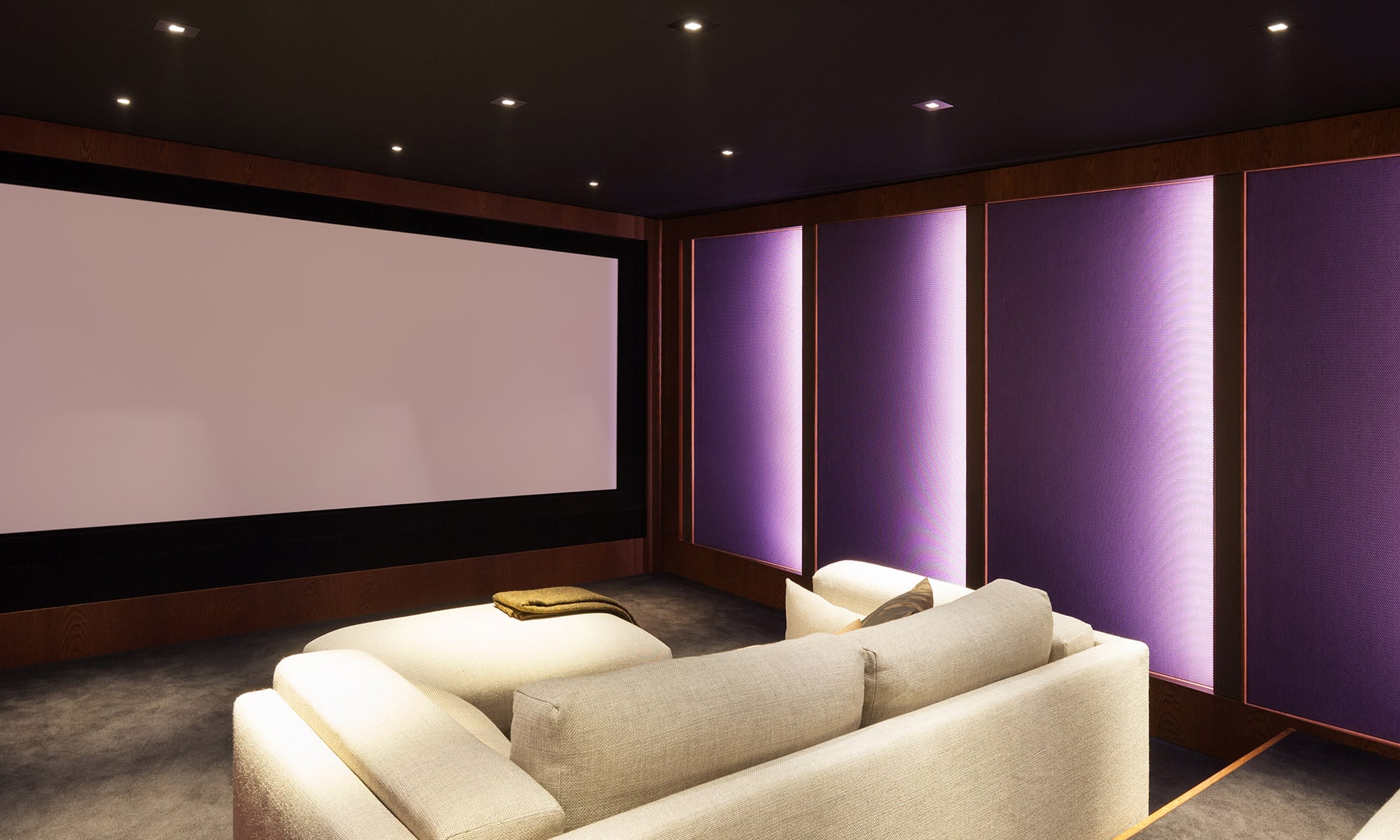
Illumination can dramatically affect both the viewing quality and atmosphere of your home cinema. Incorporating adjustable lighting options will allow you to create the ideal ambiance for movie nights. Think about use blackout curtains to limit natural light interference and enhance visual quality. Additionally, smart lighting systems can provide preset scenes that enhance your viewing experience, ensuring that the entire setup meets comfort and visual effectiveness for each screening.
Upkeep and Preparing for the Future Your Cinema
To ensure your home cinema stays in top condition, routine maintenance is crucial. This entails tidying and wiping equipment, examining connections and cables, and making certain that any software or firmware is latest. Additionally, consider creating a maintenance schedule that matches usage patterns, such as checking audio and visual settings after intense sessions or during seasonal changes. Routine maintenance not only extends the lifespan of your equipment but also improves the overall movie-watching enjoyment.
Securing longevity for your home cinema installation involves choosing equipment and technologies that can evolve with advancements. Acquiring 4K projectors or screens, that work with HDR content, makes sure your setup stays relevant as media quality improves. Furthermore, contemplate systems that can accommodate new technologies like intelligent home setups, allowing for enhancements and expansions in the future. Strategizing for future growth can save time and money when changes are necessary.
Lastly, sound quality and space adjustments are crucial for ensuring optimal performance over time. Evaluating window treatments and soundproofing materials periodically can create important changes in sound quality. By being proactive about your cinema's acoustics and general upkeep, you can build a space that is satisfying for a long time, even as technology continues to advance.